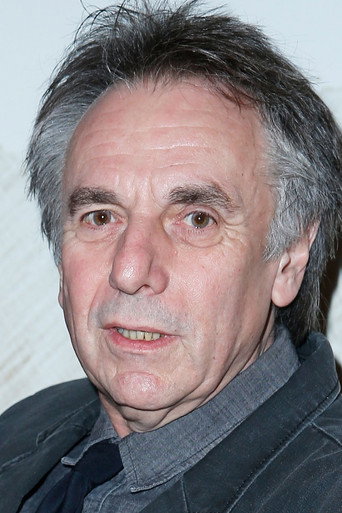
Bruno Nuytten
- Nacimiento
- 28 de agosto de 1945 · Melun, Seine-et-Marne, France
- Director(a) de fotografía
- Director(a)
- Guionista
Bruno Nuytten (born 28 August 1945 in Melun, Seine-et-Marne, Île-de-France) is a French cinematographer turned director. Camille Claudel which was Nuytten's first directorial and screenwriting effort, won the César Award for Best film in 1989. The film starred and was co-produced by Isabelle Adjani, with whom he had a son, Barnabé. Adjani won the Silver Bear for Best Actress at the 39th Berlin International Film Festival for her role in the film. His sophomore directorial effort, Albert Souffre, though also a heavily emotional movie, was set in contemporary times. His 2000 film, Passionnément, starred Charlotte Gainsbourg. His films as cinematographer include Les Valseuses, Barocco, La Meilleure façon de marcher, The Bronte Sisters, Brubaker, Garde à vue, Possession, Fort Saganne, So Long, Stooge (Tchao Pantin), Jean de Florette and Manon des Sources (US title: Manon of the Spring). He won the César Award for Best Cinematography in 1977 and 1984, and was nominated in 1980, 1982, 1985 and 1987. He is currently a professor at France's national film school La Fémis. Description above from the Wikipedia article Bruno Nuytten, licensed under CC-BY-SA, full list of contributors on Wikipedia.
Filmografía · 16 créditos
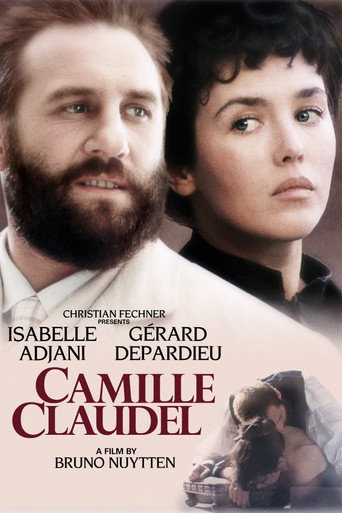 La pasión de Camille ClaudelGuionista · Director(a)
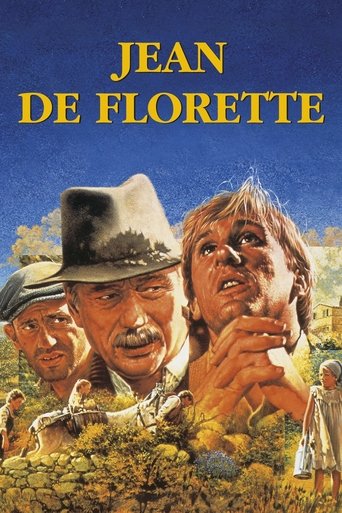 El manantial de las colinasDirector(a) de fotografía
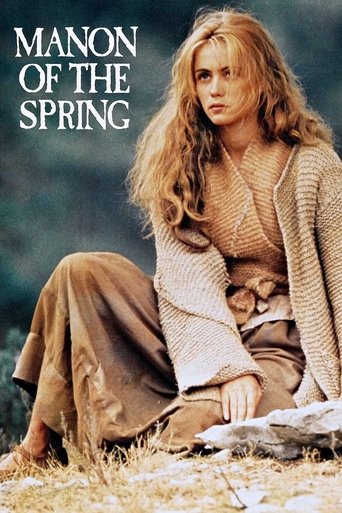 Manon of the SpringDirector(a) de fotografía
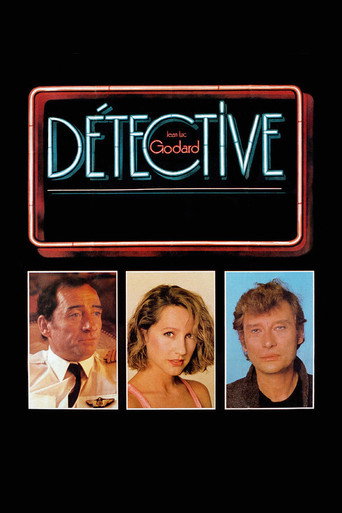 DetectiveDirector(a) de fotografía
 Fort SaganneDirector(a) de fotografía
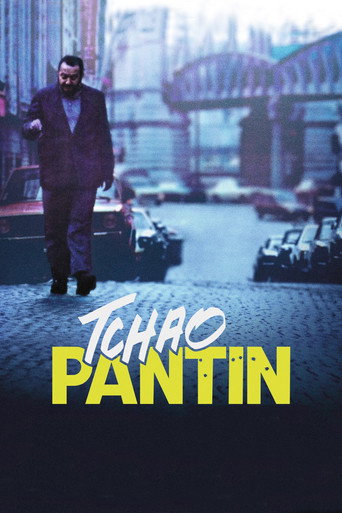 Adiós peleleDirector(a) de fotografía
 La vida es una novelaDirector(a) de fotografía
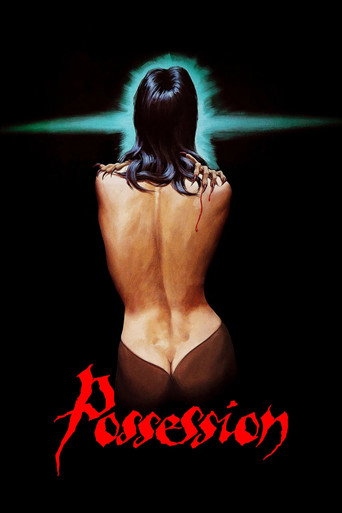 PosesiónDirector(a) de fotografía
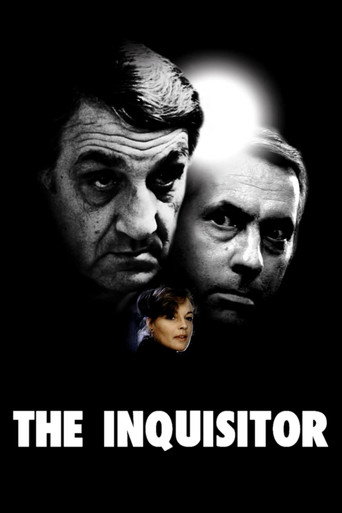 Arresto preventivoDirector(a) de fotografía
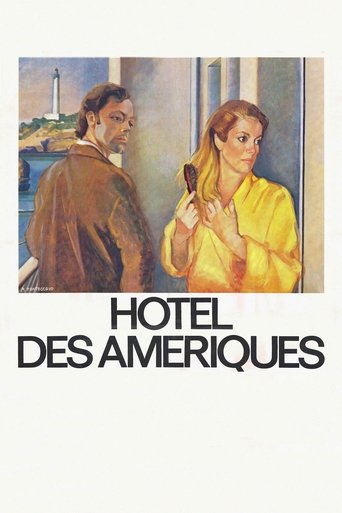 Hôtel des AmériquesDirector(a) de fotografía
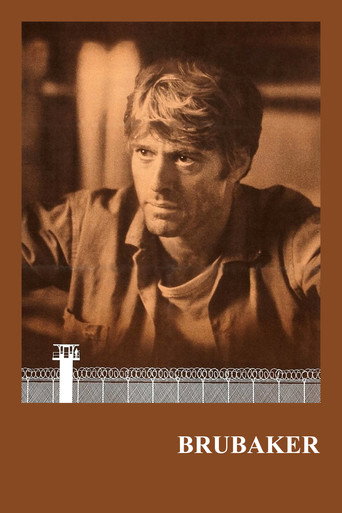 BrubakerDirector(a) de fotografía
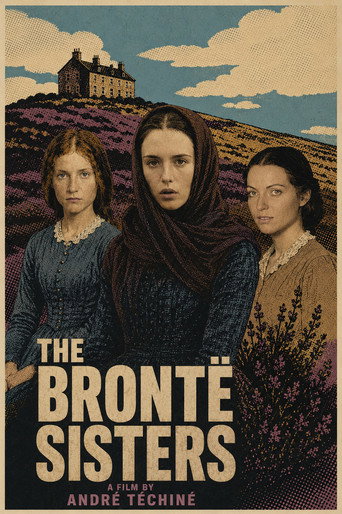 Las hermanas BrontëDirector(a) de fotografía
 Un inolvidable curso en ParísDirector(a) de fotografía
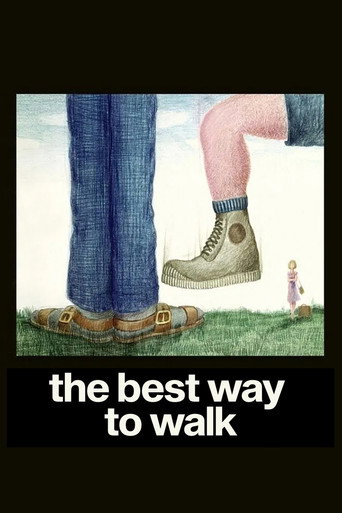 La mejor manera de andarDirector(a) de fotografía
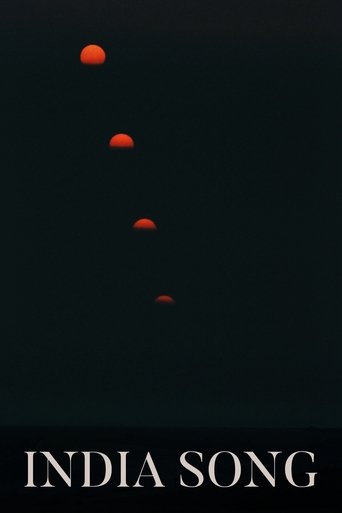 India SongDirector(a) de fotografía
 Going PlacesDirector(a) de fotografía