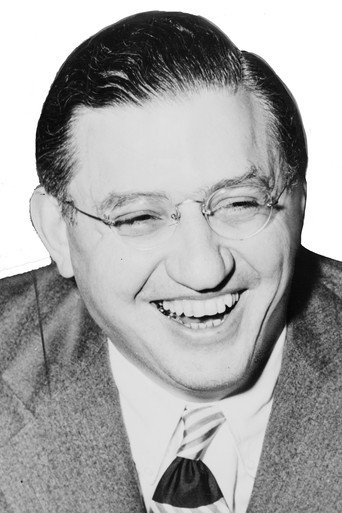
David O. Selznick
- Naissance
- 10 mai 1902 · Pittsburgh, Pennsylvania, USA
- Décès
- 22 juin 1965
- Producteur
- miscellaneous
- Scénariste
From Wikipedia, the free encyclopedia David O. Selznick (May 10, 1902 – June 22, 1965) was an American film producer, screenwriter and film studio executive. He is best known for producing Gone with the Wind (1939) and Rebecca (1940), both earning him an Academy Award for Best Picture. In 1926, Selznick moved to Hollywood, and with the help of his father's connections, he got a job as an assistant story editor at Metro-Goldwyn-Mayer. He left MGM for Paramount Pictures in 1928, where he worked until 1931, when he joined RKO as Head of Production. His years at RKO were fruitful, and he worked on many films, including A Bill of Divorcement (1932), What Price Hollywood? (1932), Rockabye (1932), Bird of Paradise (1932), Our Betters (1933), and King Kong (1933). While at RKO, he also gave George Cukor his directing break. In 1933 he returned to MGM where his father-in-law, Louis B. Mayer, was studio CEO. Mayer established a second prestige production unit for David, parallel to that of powerful Irving Thalberg, who was in poor health. Selznick's unit output included the all star cast movie Dinner at Eight (1933), David Copperfield (1935), Anna Karenina (1935), and A Tale of Two Cities (1935). Selznick went on to make more films at MGM, Paramount and RKO, but he wanted more independence and formed Selznick International Pictures in 1935. Here he produced classics such as Gone with the Wind. Gone with the Wind overshadowed the rest of Selznick's career. Later, he was convinced that he had wasted his life trying to outdo it. The closest he came to matching the film was with Duel in the Sun (1946) featuring future wife Jennifer Jones in the role of the primary character Pearl. With a huge budget, the film is known for causing moral upheaval because of the then risqué script written by Selznick. And though it was a troublesome shoot with a number of directors, the film would be a major success. The film was the second highest-grossing film of 1947 and was the first movie that Martin Scorsese saw, inspiring Scorsese's own directorial career.
Filmographie · 37 crédits
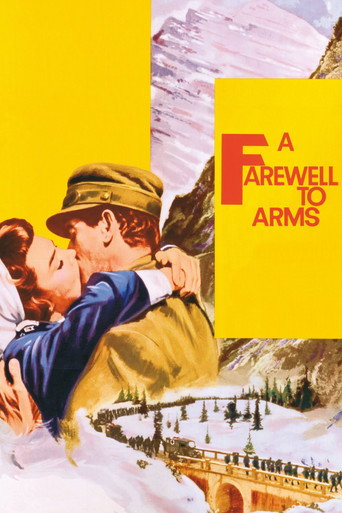 L'Adieu aux armesProducteur
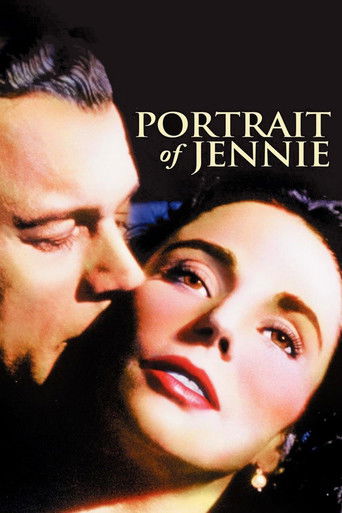 Le Portrait de JennieProducteur
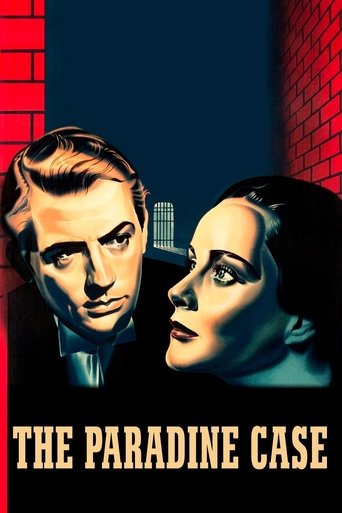 Le Procès ParadineScénariste · Producteur
 Duel au soleilScénariste · Producteur
 La Maison du docteur EdwardesProducteur
 Depuis ton départScénariste · Producteur
 RebeccaProducteur
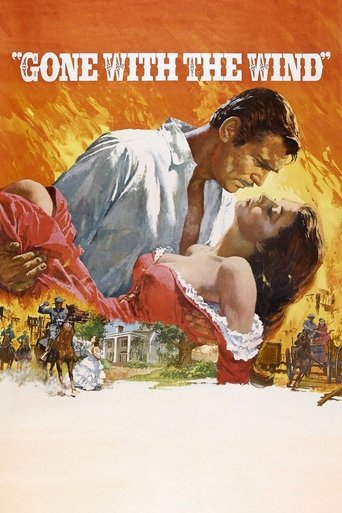 Autant en emporte le ventProducteur
 Le Lien sacréProducteur
 La rançon du bonheurProducteur
 Les Aventures de Tom SawyerProducteur
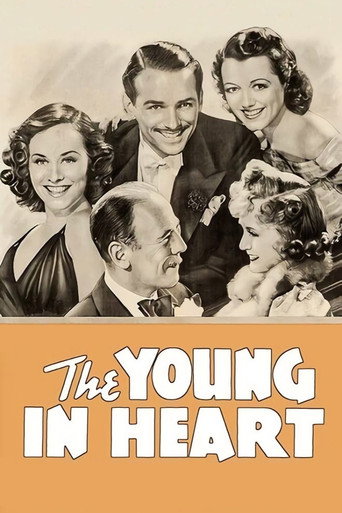 The Young in HeartProducteur
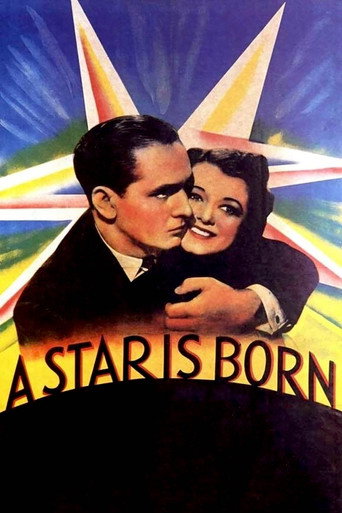 Une étoile est néeProducteur
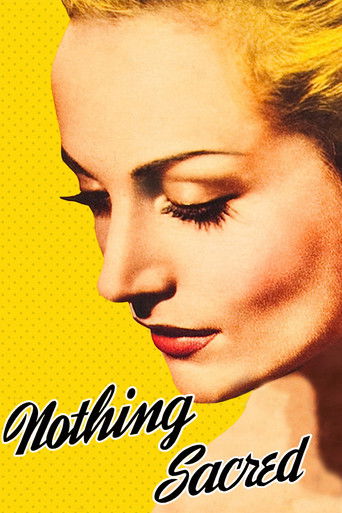 La Joyeuse SuicidéeProducteur
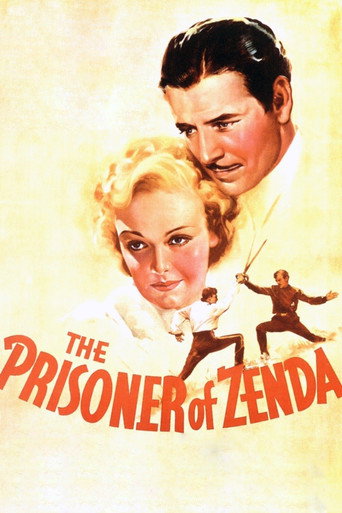 Le Prisonnier de ZendaProducteur
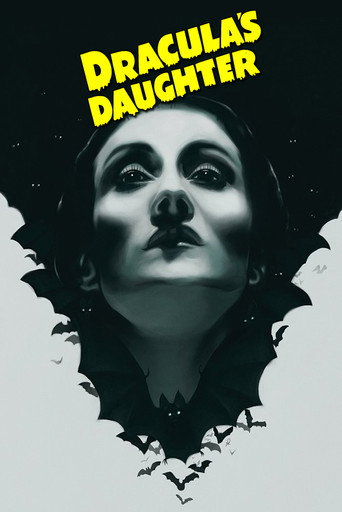 La Fille de DraculaScénariste
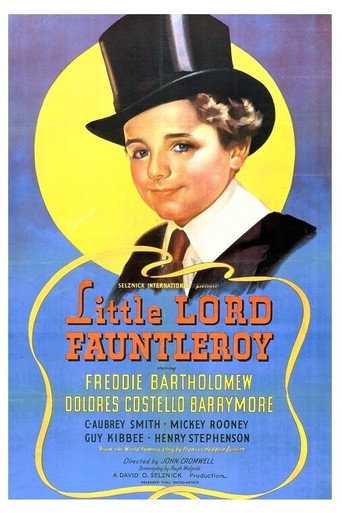 Le petit lord FauntleroyProducteur
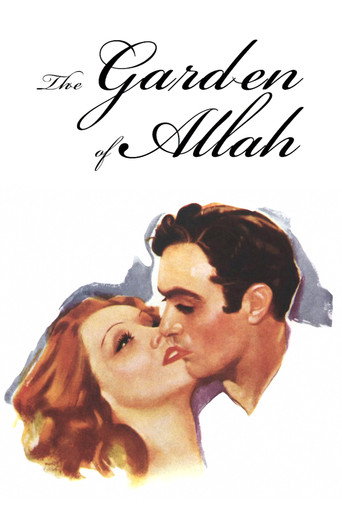 Le jardin d'AllahProducteur
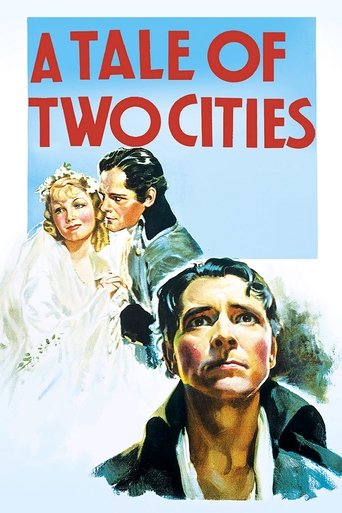 Le Marquis de Saint-ÉvremontProducteur
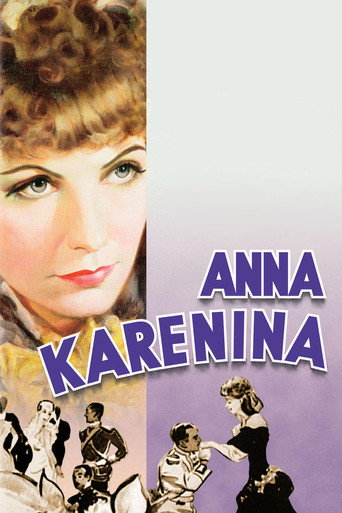 Anna KarénineProducteur
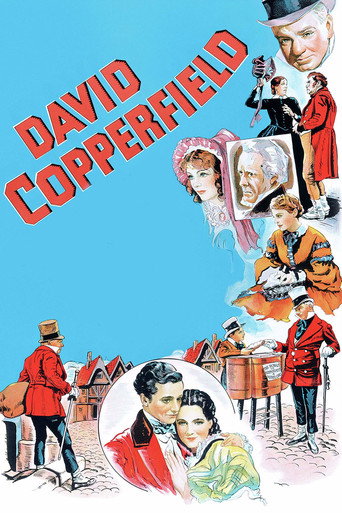 David CopperfieldProducteur
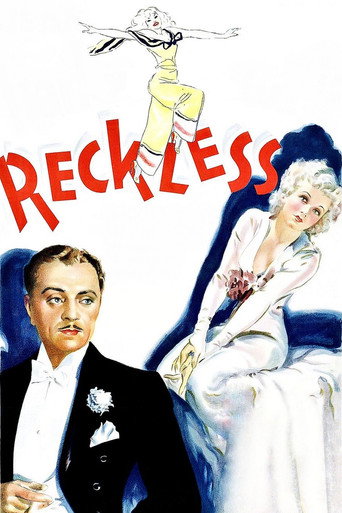 Imprudente jeunesseProducteur · Scénariste
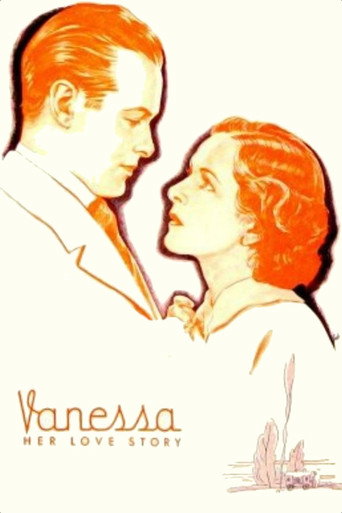 Vanessa, Her Love StoryProducteur
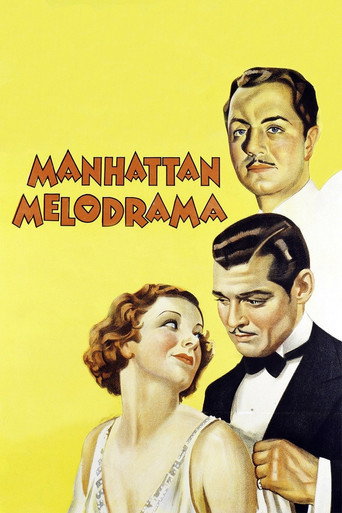 L'Ennemi public n°1Producteur
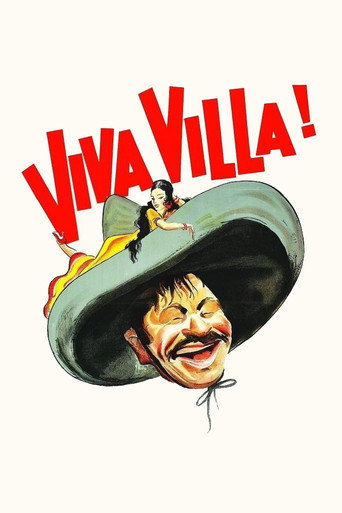 Viva Villa!Producteur
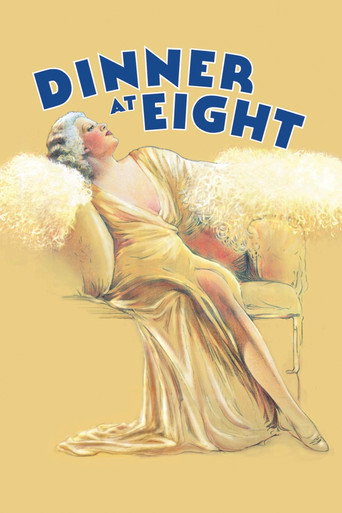 Les Invités de huit heuresProducteur
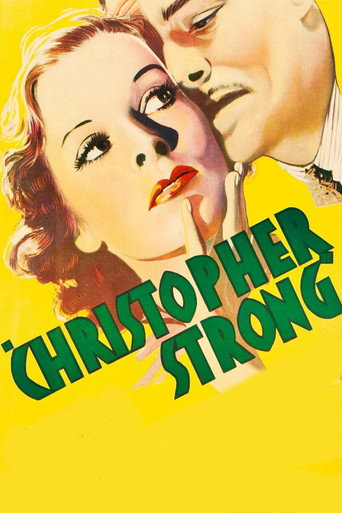 La Phalène d'argentProducteur
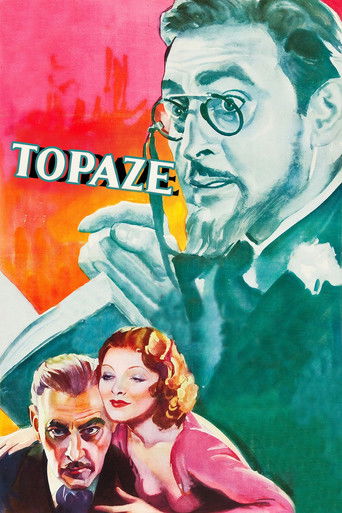 TopazeProducteur
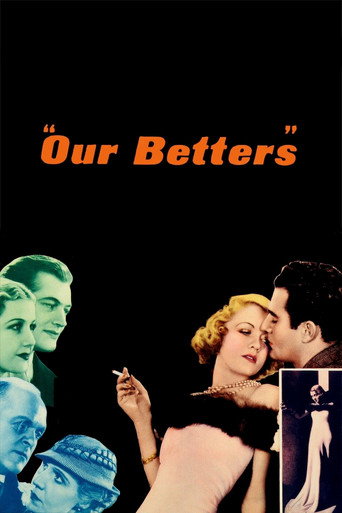 Haute SociétéProducteur
 SweepingsProducteur
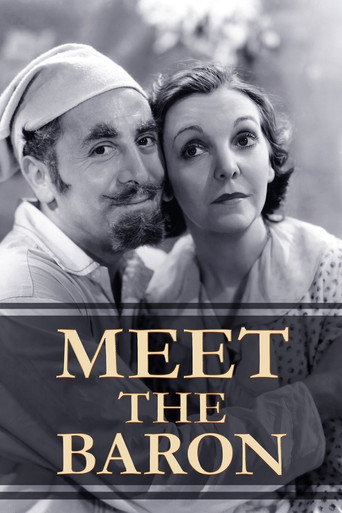 Meet the BaronProducteur
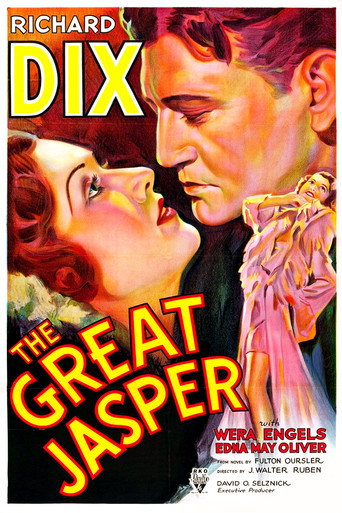 The Great JasperProducteur
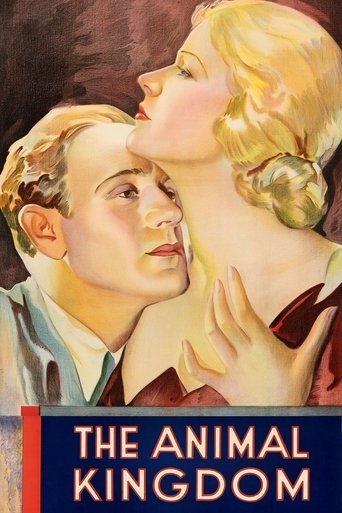 The Animal KingdomProducteur
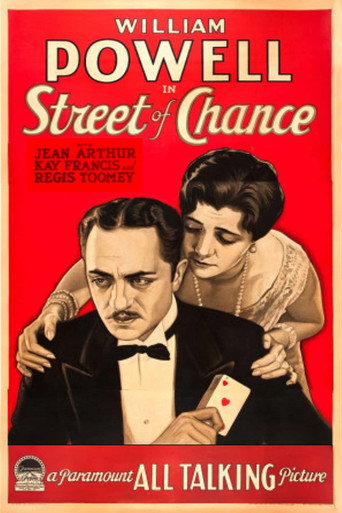 Street of ChanceProducteur
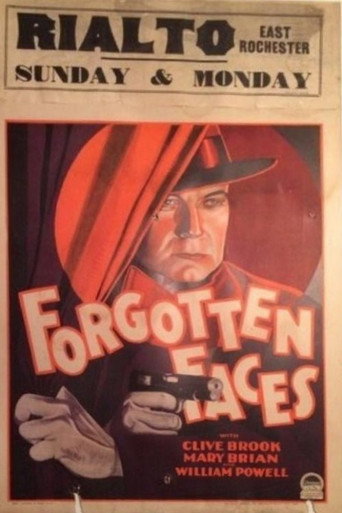 Forgotten FacesMonteur
 RouletteProducteur
Autres crédits · 1
Projets sans affiche pour le moment (à venir ou très petits).
- 1957The Big Show · Lui-même / Elle-même (Self)