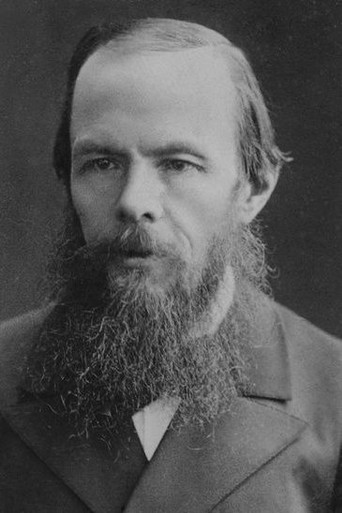
Fyodor Dostoevsky
- Nascimento
- 11 de novembro de 1821 · Moscow, Russian Empire [now Russia]
- Falecimento
- 9 de fevereiro de 1881
- Roteirista
- soundtrack
- Imagens de arquivo
Fyodor Mikhailovich Dostoevsky (UK: /ˌdɒstɔɪˈɛfski/, US: /ˌdɒstəˈjɛfski, ˌdʌs-/; Russian: Фёдор Михайлович Достоевский, tr. Fyódor Mikháylovich Dostoyévskiy, IPA: [ˈfʲɵdər mʲɪˈxajləvʲɪdʑ dəstɐˈjefskʲɪj] (listen); 11 November 1821 – 9 February 1881), sometimes transliterated as Dostoyevsky, was a Russian novelist, short story writer, essayist and journalist. Dostoevsky's literary works explore the human condition in the troubled political, social, and spiritual atmospheres of 19th-century Russia, and engage with a variety of philosophical and religious themes. His most acclaimed novels include Crime and Punishment (1866), The Idiot (1869), Demons (1872), and The Brothers Karamazov (1880). His 1864 novella, Notes from Underground, is considered to be one of the first works of existentialist literature. Numerous literary critics rate him as one of the greatest novelists in all of world literature, as many of his works are considered highly influential masterpieces. Born in Moscow in 1821, Dostoevsky was introduced to literature at an early age through fairy tales and legends, and through books by Russian and foreign authors. His mother died in 1837 when he was 15, and around the same time, he left school to enter the Nikolayev Military Engineering Institute. After graduating, he worked as an engineer and briefly enjoyed a lavish lifestyle, translating books to earn extra money. In the mid-1840s he wrote his first novel, Poor Folk, which gained him entry into Saint Petersburg's literary circles. However, he was arrested in 1849 for belonging to a literary group, the Petrashevsky Circle, that discussed banned books critical of Tsarist Russia. Dostoevsky was sentenced to death but the sentence was commuted at the last moment. He spent four years in a Siberian prison camp, followed by six years of compulsory military service in exile. In the following years, Dostoevsky worked as a journalist, publishing and editing several magazines of his own and later A Writer's Diary, a collection of his writings. He began to travel around western Europe and developed a gambling addiction, which led to financial hardship. For a time, he had to beg for money, but he eventually became one of the most widely read and highly regarded Russian writers. Dostoevsky's body of work consists of 13 novels, 3 novellas, 17 short stories, and numerous other works. His writings were widely read both within and beyond his native Russia and influenced an equally great number of later writers including Russians such as Aleksandr Solzhenitsyn and Anton Chekhov, philosophers Friedrich Nietzsche and Jean-Paul Sartre, and the emergence of Existentialism and Freudianism. His books have been translated into more than 170 languages, and served as the basis for many films.
Filmografia · 35 créditos
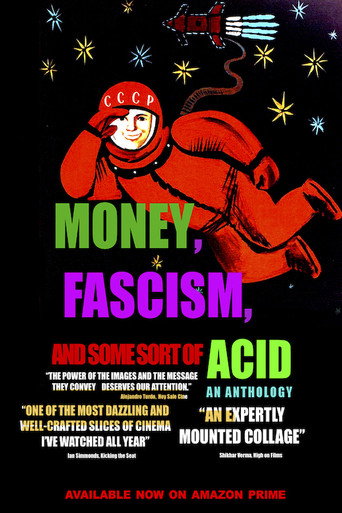 Money, Fascism, and Some Sort of AcidRoteirista
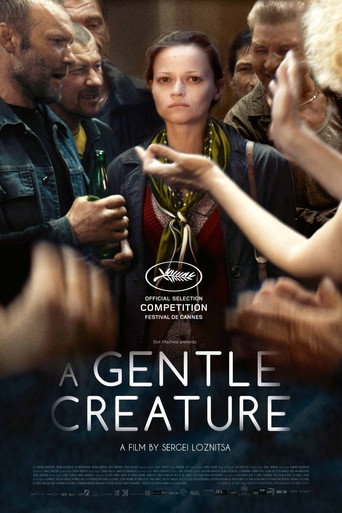 Uma Criatura GentilRoteirista
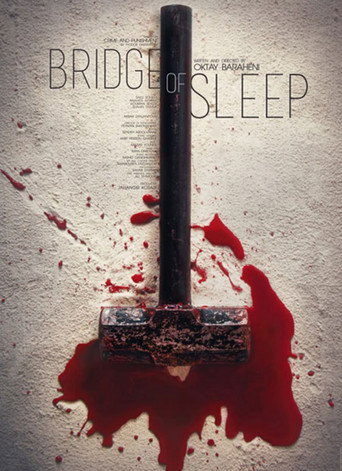 Bridge of SleepRoteirista
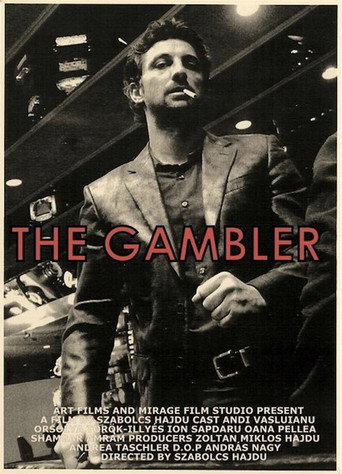 The GamblerRoteirista
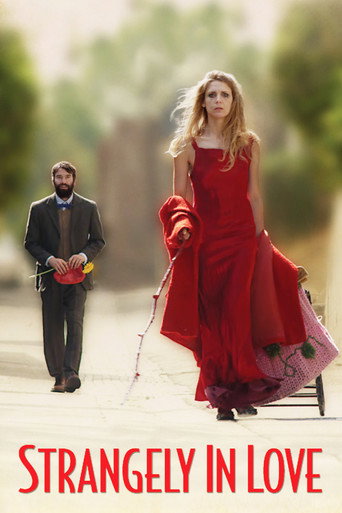 Strangely in LoveRoteirista
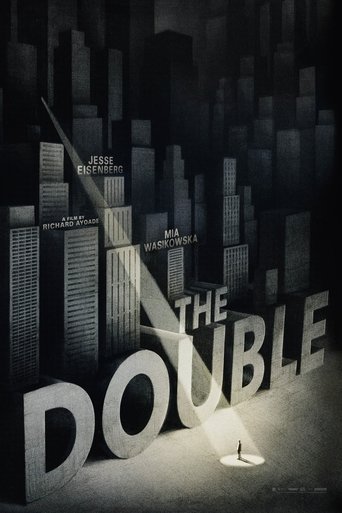 O DuploRoteirista
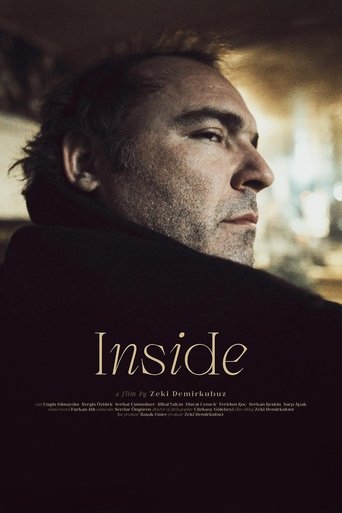 InsideRoteirista
 The SeducerRoteirista
 Saawariya: ApaixonadosRoteirista
 Devagar, DevagarRoteirista
 White NightsRoteirista
 NinaRoteirista
 Noites BrancasRoteirista
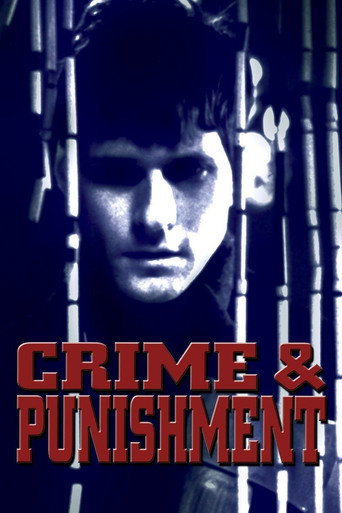 Crime e CastigoRoteirista
 The Idiot ReturnsRoteirista
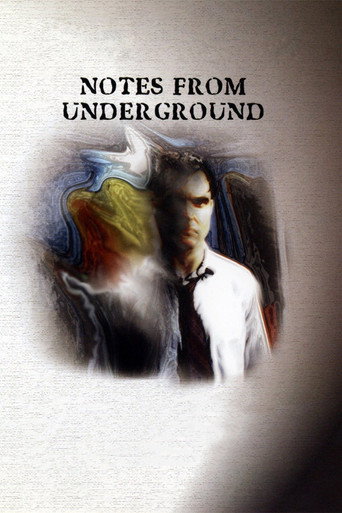 Notas de Um SubsoloRoteirista
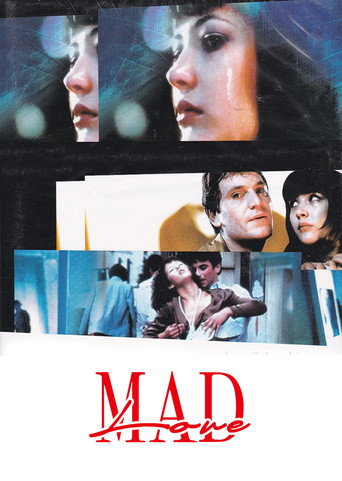 A Revolta do AmorRoteirista
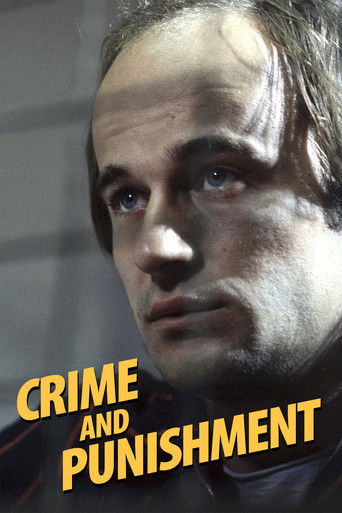 Crime e CastigoRoteirista
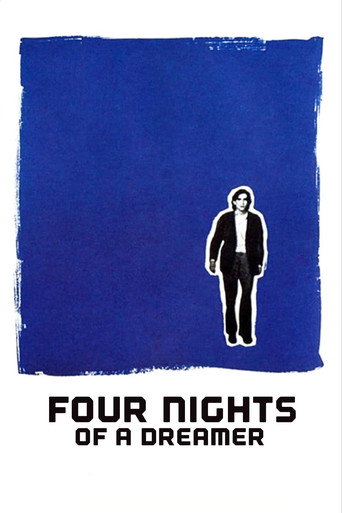 Quatro Noites de um SonhadorRoteirista
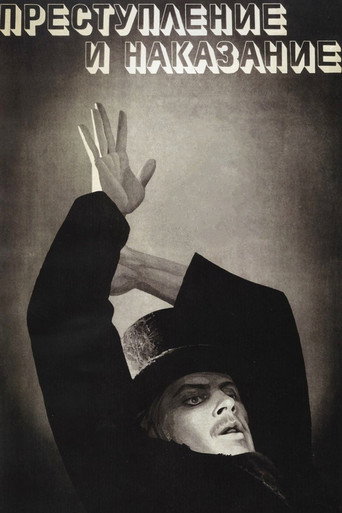 Crime e CastigoRoteirista
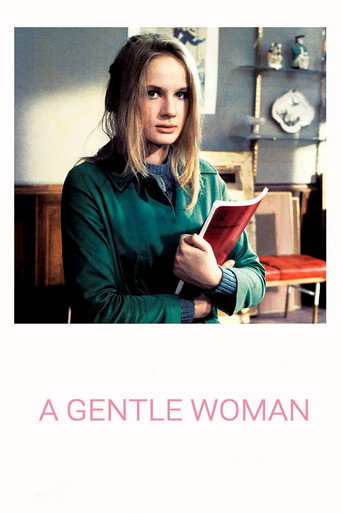 Uma Mulher DelicadaRoteirista
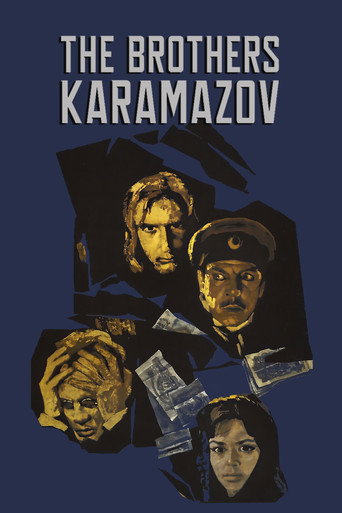 Os Irmãos KaramazovRoteirista
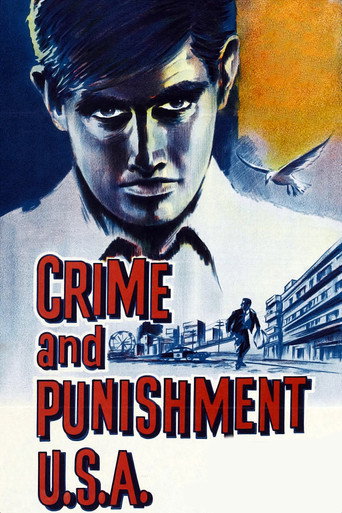 Crime and Punishment, U.S.A.Roteirista
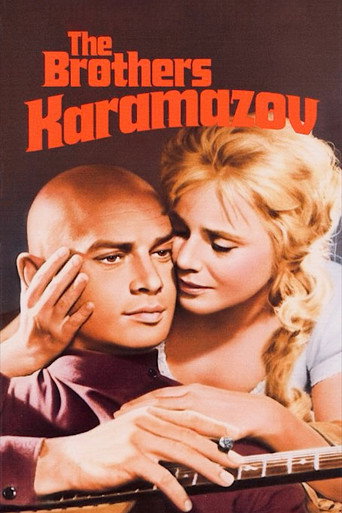 Os Irmãos KaramazovRoteirista
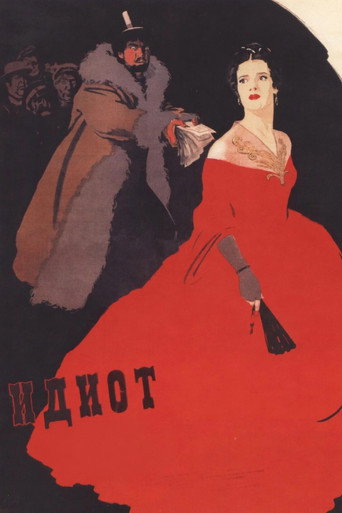 O IdiotaRoteirista
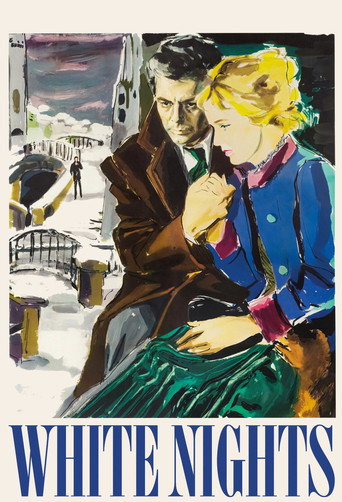 Noites BrancasRoteirista
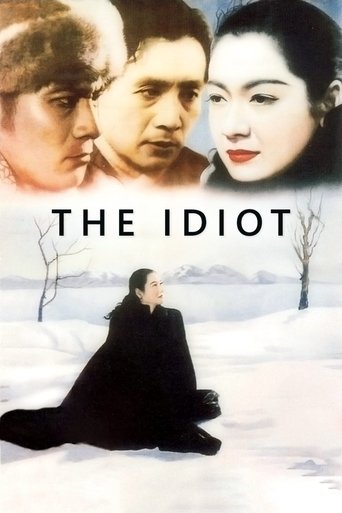 O IdiotaRoteirista
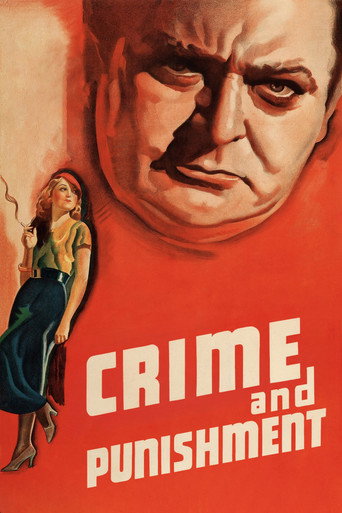 Crime e CastigoRoteirista
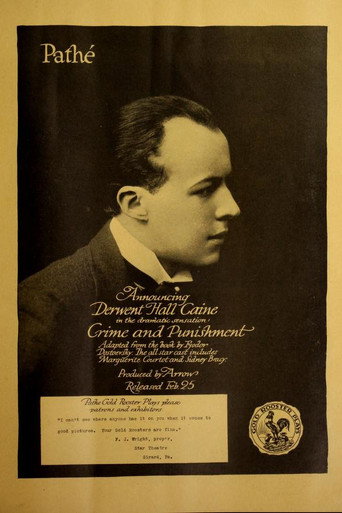 Crime and PunishmentRoteirista
Outros créditos · 6
Projetos sem pôster divulgado ainda (futuros ou muito pequenos).
- 2025Brothers Karamazov · Roteirista
- 2018Goats from the Underground · Roteirista
- 2014Dark Nights · Roteirista
- 2011Venice Shore Nights · Roteirista
- 1999The Shade · Roteirista
- —The Innocent · Roteirista