Joseph Moncure March
- Nascimento
- 27 de julho de 1899 · Los Angeles, California, USA
- Falecimento
- 14 de fevereiro de 1977
- Roteirista
- Produtor(a)
From Wikipedia, the free encyclopedia Joseph Moncure March (July 27, 1899 New York City - February 14, 1977 Los Angeles, California) was an American poet and essayist, best known for his long narrative poems The Wild Party and The Set-Up. After serving in World War I and graduating from Amherst College (where he was a protégé of Robert Frost), March was managing editor of The New Yorker in 1925, and helped create the magazine's "Talk of the Town" front section. He left the magazine, and wrote the first of his two important long Jazz Age narrative poems, The Wild Party. Due to its risqué content, this violent story of a vaudeville dancer who throws a booze and sex-filled party could not find a publisher until 1928. Once published, however, the poem was a great success despite being banned in Boston. March followed with The Set-Up, a poem about a black boxer who had just been released from prison. In 1929, March moved to Hollywood to provide additional dialogue for the film Journey's End and, more famously, to turn the silent version of Howard Hughes' classic Hell's Angels into a talkie — a rewrite that brought the phrase "Excuse me while I put on something more comfortable" into the American lexicon. March stayed with Hughes' Caddo Pictures studio for several years, temporarily running the office, overseeing the release of Hell's Angels, and getting into legal trouble after an attempt to steal the script for rival Warner Bros.' flying picture The Dawn Patrol. March worked as a screenwriter in Hollywood until 1940, under contract to MGM and Paramount and later as a freelancer for Republic Pictures and other studios; he wrote at least 19 produced scripts in his Hollywood career. His most prominent late script is probably the left-leaning John Wayne curio Three Faces West, a knockoff of The Grapes of Wrath that ends with a faceoff between Okies and Nazis. With his third wife, Peggy Prior (a Pathé screenwriter) and her two children, March returned to the East Coast in 1940. During World War II, he worked at a shipbuilding plant in Groton, Connecticut, and wrote features (mostly acid assessments of the movie business) for the New York Times Magazine. In later years, he wrote documentaries for the State Department and industrial films for Ford Motor Company, General Motors, Monsanto Company, American Airlines, and others. Several films starring industrial films icon Thelma "Tad" Tadlock, including Design for Dreaming (1956) and A Touch of Magic (1961) were made from Mar his rhyming scripts. March died in 1977.
Filmografia · 24 créditos
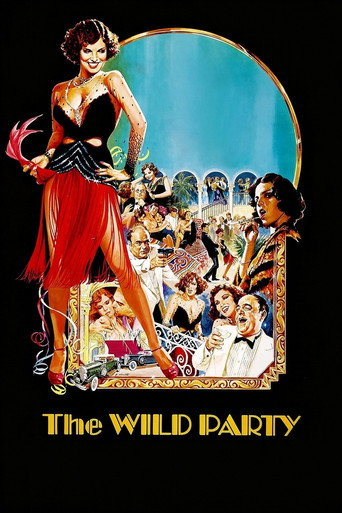 Festa SelvagemRoteirista
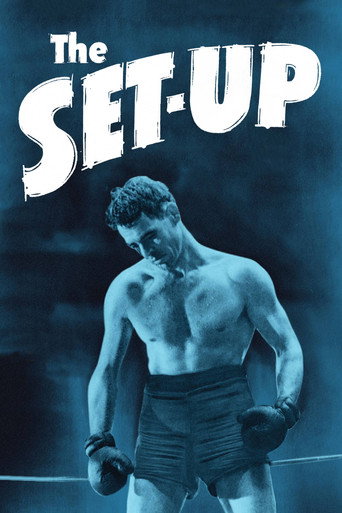 Punhos de CampeãoRoteirista
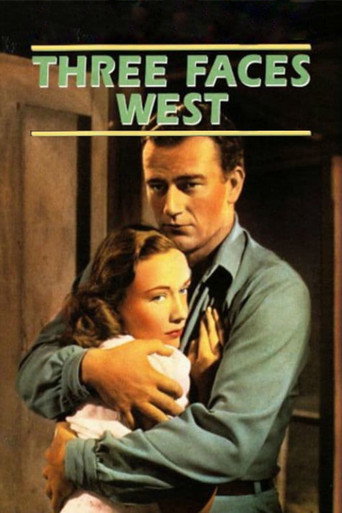 Fugitivos do TerrorRoteirista
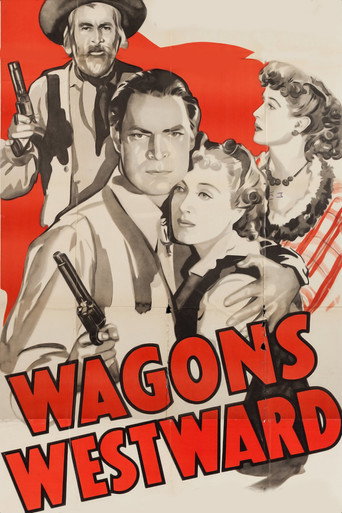 Wagons WestwardRoteirista
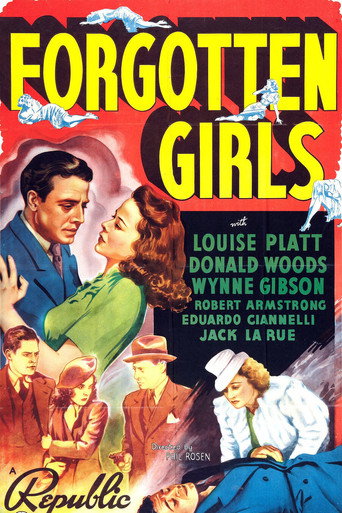 Forgotten GirlsRoteirista
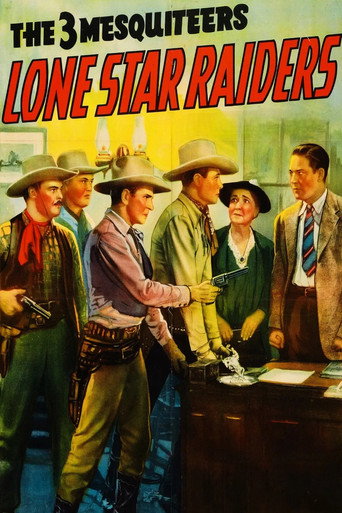 O Cavalo JusticeiroRoteirista
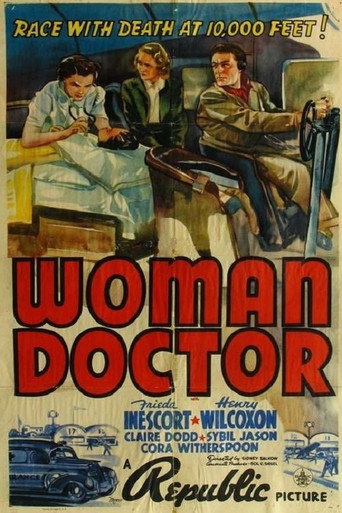 Woman DoctorRoteirista
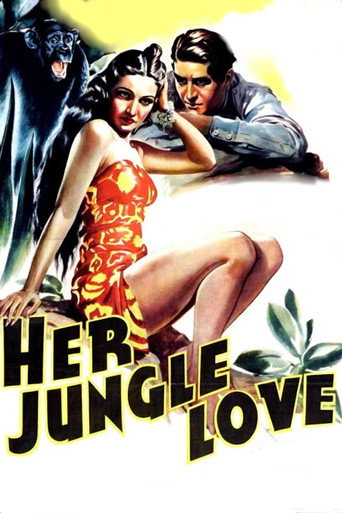 Her Jungle LoveRoteirista
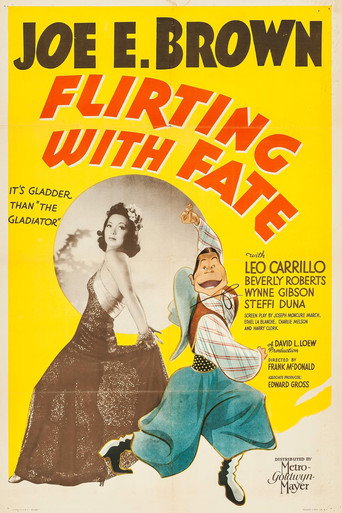 Flirting with FateRoteirista
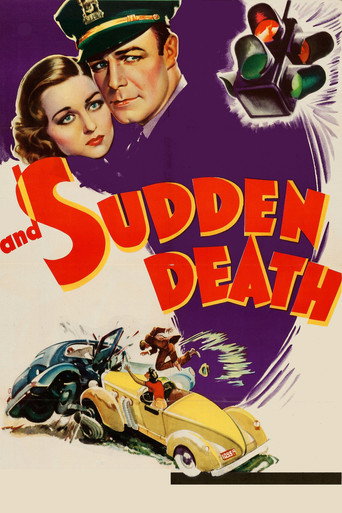 And Sudden DeathRoteirista
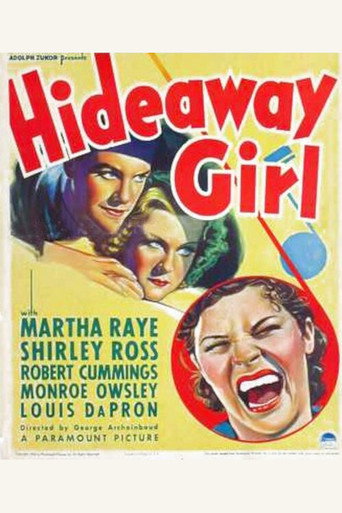 Hideaway GirlRoteirista
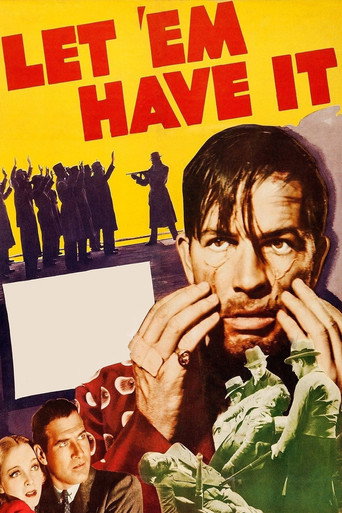 Let 'em Have ItRoteirista
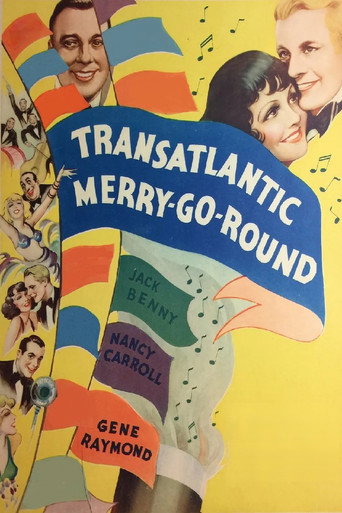 Transatlantic Merry-Go-RoundRoteirista
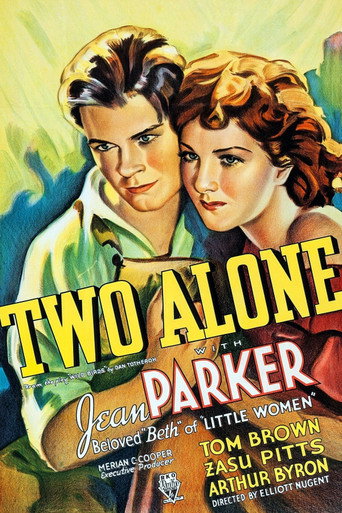 Two AloneRoteirista
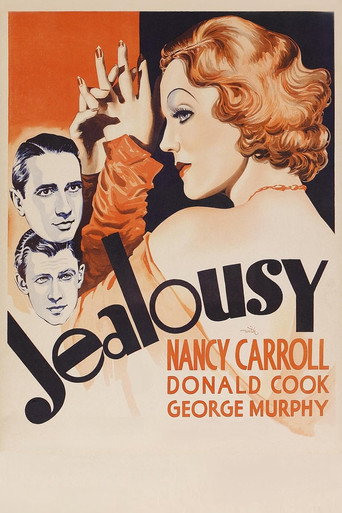 JealousyRoteirista
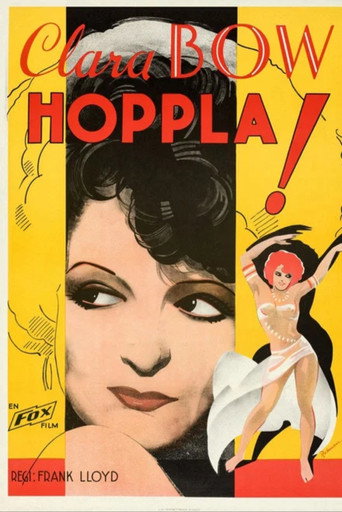 HooplaRoteirista
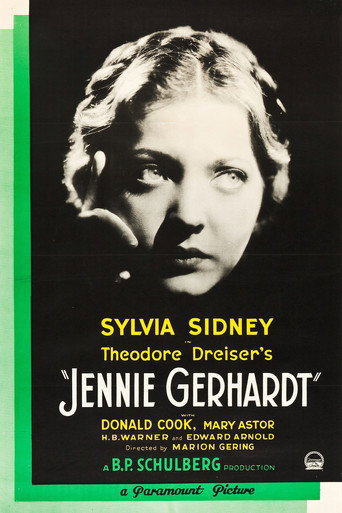 Jennie GerhardtRoteirista
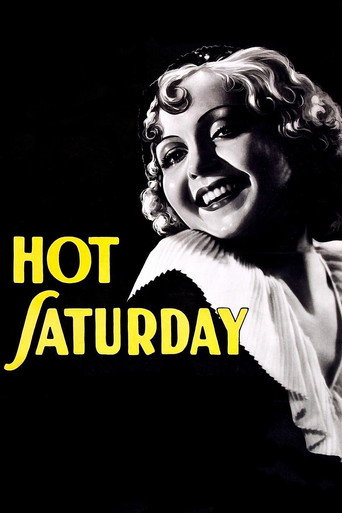 Sábado AlegreRoteirista
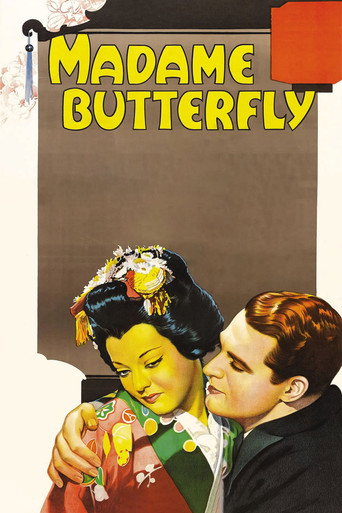 Madame ButterflyRoteirista
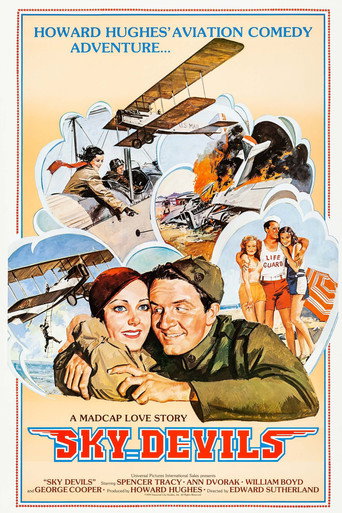 Sky DevilsRoteirista
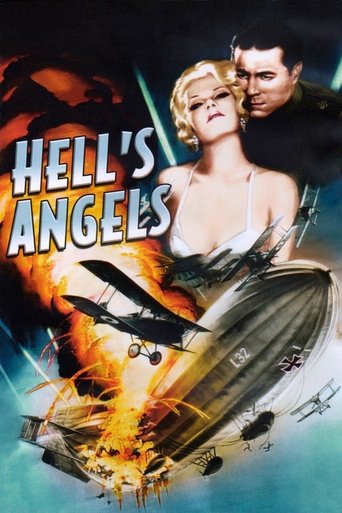 Anjos do InfernoRoteirista
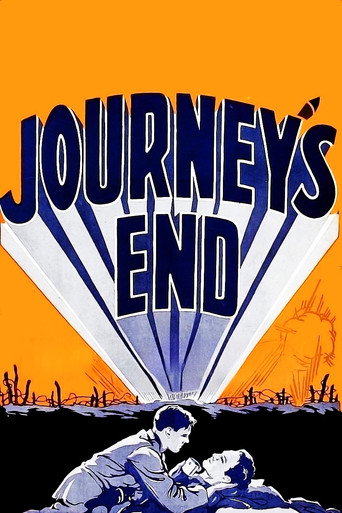 Journey's EndRoteirista
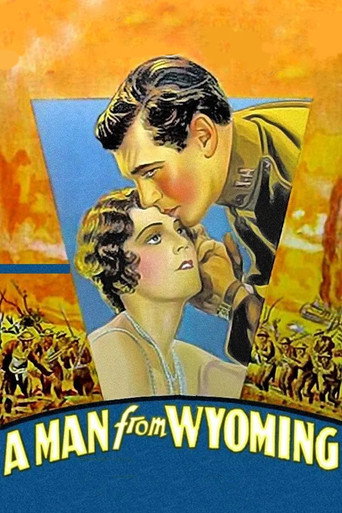 A Man from WyomingRoteirista
Outros créditos · 1
Projetos sem pôster divulgado ainda (futuros ou muito pequenos).
- —The Wild Party · Roteirista