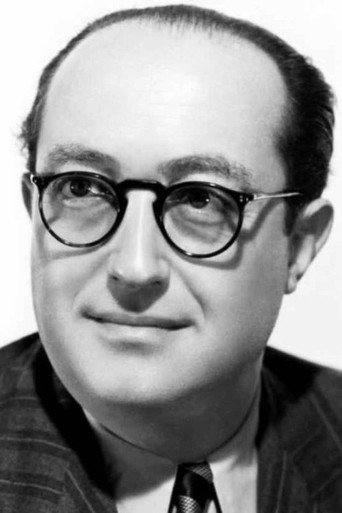
Henry Koster
- Born
- May 1, 1905 · Berlin, Germany
- Died
- September 21, 1988
- Director
- Writer
- Producer
Henry Koster (May 1, 1905 – September 21, 1988), born Hermann Kosterlitz, was a German-born film director, who worked in Europe as well as in Hollywood. Although he never won an Oscar, Koster directed six different actors in Oscar-nominated performances. In 1932, Koster directed his first film in Berlin, the comedy Thea Roland. In the midst of directing his second film Das häßliche Mädchen, Jewish Koster had been the subject of antisemitism, and knew he had to leave the country. He left Germany for France, where he was rehired by director Curtis Bernhardt, who had also fled. Eventually Koster went to Budapest, where he met and married Kató Király in 1934. There he also met Joe Pasternak, who represented Universal in Europe, and directed three films for him. Through his friend Gabriel Levy he ended up directing Dutch sound film De Kribbebijter, released internationally as The Cross-Patch, which proved a success both in the Netherlands - where it played in cinemas for no less than seven years - and in the UK. Soon after, Koster signed a deal with Universal Pictures in Hollywood and moved to the United States. Although Koster did not speak English, he convinced the studio to let him make Three Smart Girls, for which he personally coached to-be star Deanna Durbin. This picture, a big success, pulled Universal out of bankruptcy. Koster's second Universal film, One Hundred Men and a Girl, also was successful. After this, Koster discovered Abbott and Costello at a nightclub in New York. He returned to Hollywood and convinced Universal to hire them. Their first picture was One Night in the Tropics; the female lead, Peggy Moran, became Koster's second wife in 1942. Ironically, despite Koster's escape from Nazi Germany, when the United States entered World War II Koster was considered an enemy alien and had to stay in his house in the evening. Actor Charles Laughton would visit Koster and play chess with him. Nonetheless, Koster's postwar career proved equally successful. He was nominated for an Academy Award for The Bishop's Wife (1947). In 1950, he directed his biggest success: the James Stewart comedy Harvey. He directed Richard Burton's first U.S. film, My Cousin Rachel, and then in 1953, he was given The Robe, the first CinemaScope film. His last picture was The Singing Nun in 1965. Koster retired to Leisure Village in Camarillo, California, where he painted a series of portraits of the movie stars with whom he worked.
Filmography · 41 credits
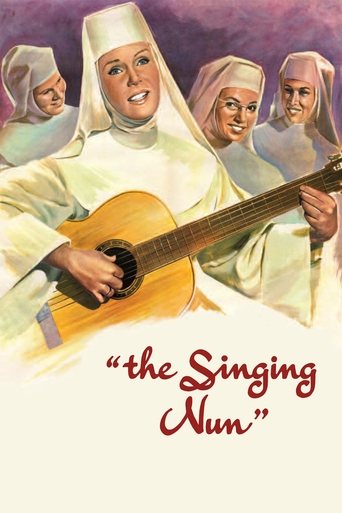 The Singing NunDirector
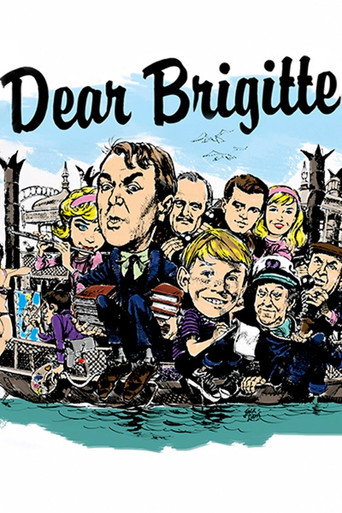 Dear BrigitteProducer · Director
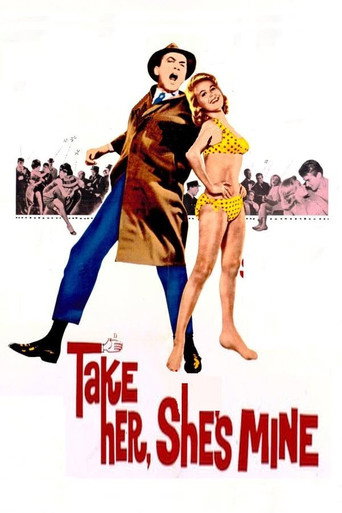 Take Her, She's MineProducer · Director
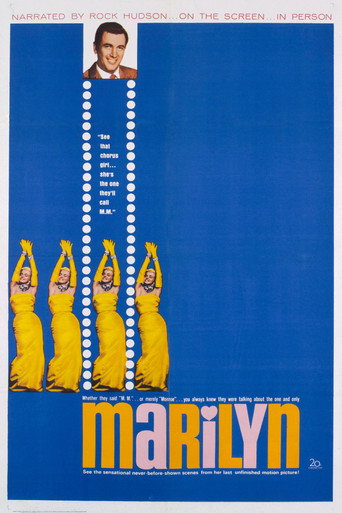 MarilynDirector
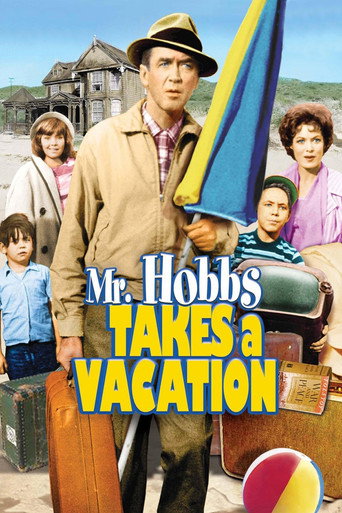 Mr. Hobbs Takes a VacationDirector
 Flower Drum SongDirector
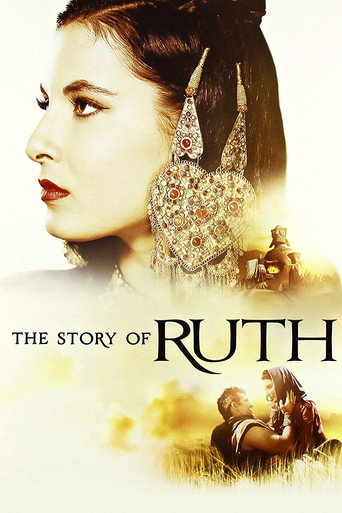 The Story of RuthDirector
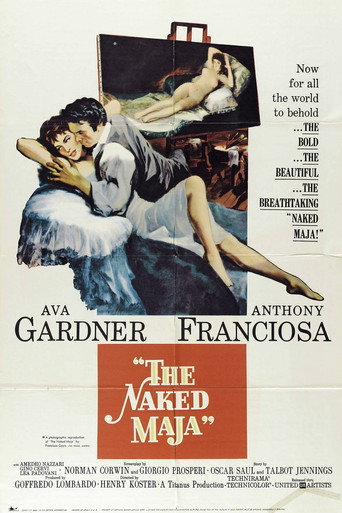 The Naked MajaDirector
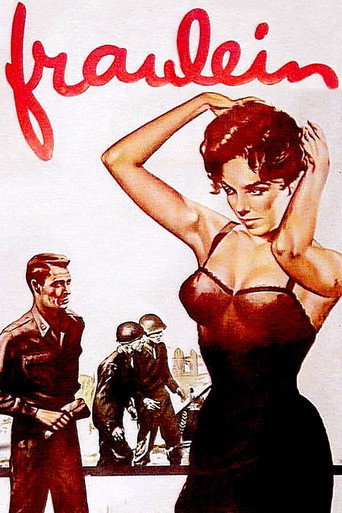 FräuleinDirector
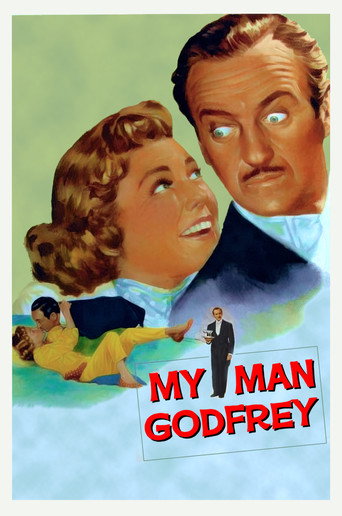 My Man GodfreyDirector
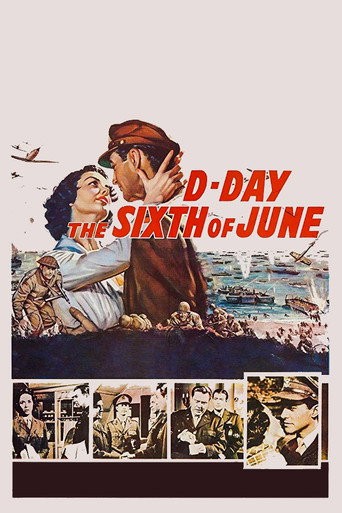 D-Day the Sixth of JuneDirector
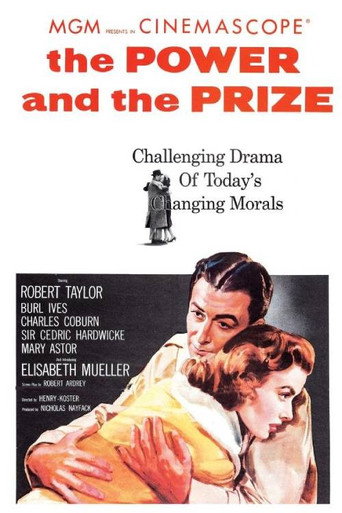 The Power and the PrizeDirector
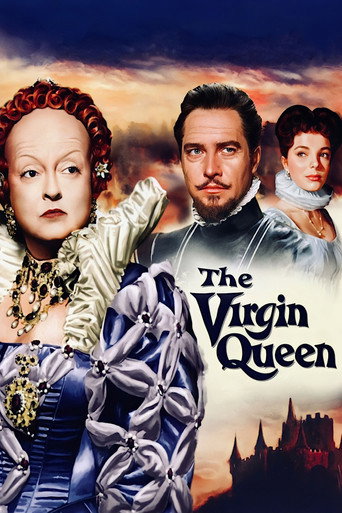 The Virgin QueenDirector
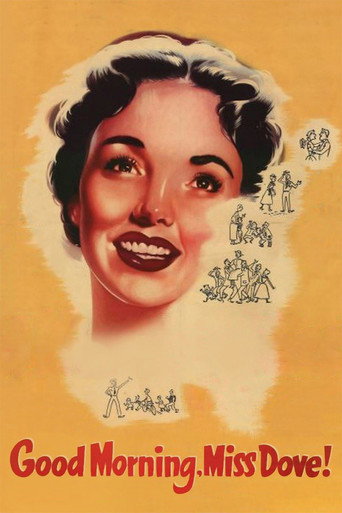 Good Morning, Miss DoveDirector
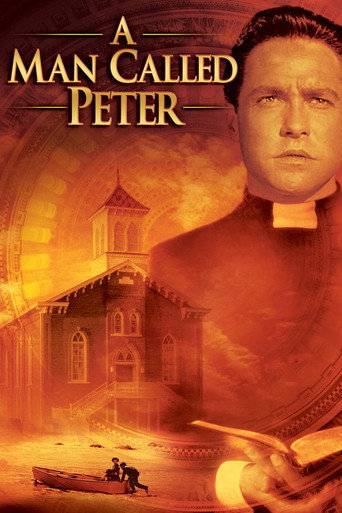 A Man Called PeterDirector
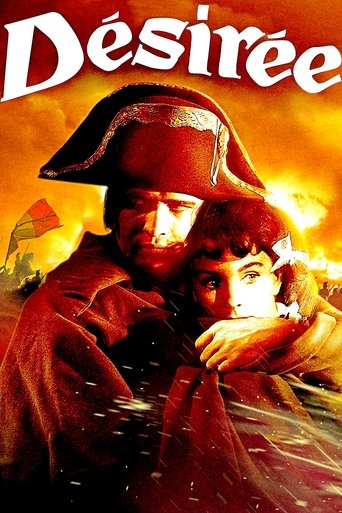 DésiréeDirector
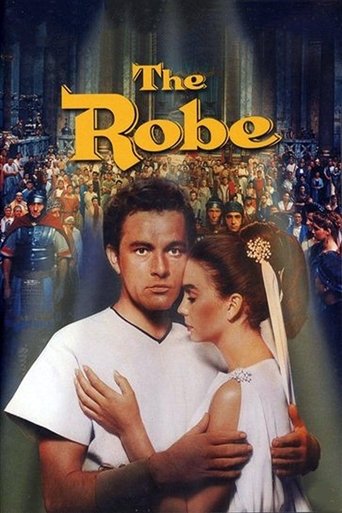 The RobeDirector
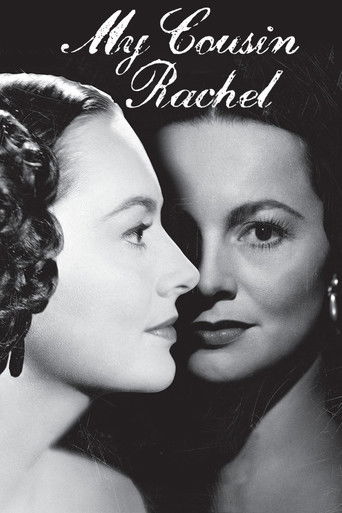 My Cousin RachelDirector
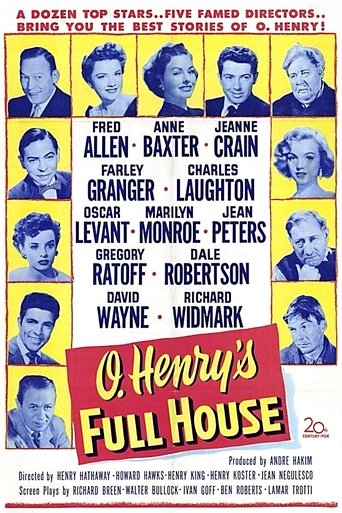 O. Henry's Full HouseDirector
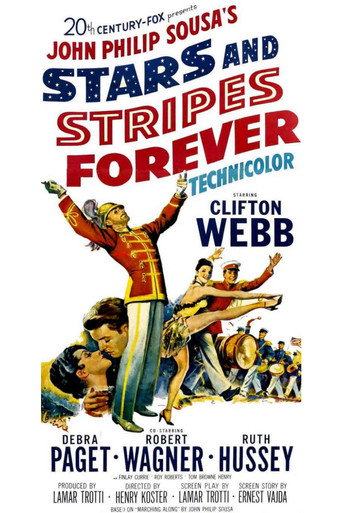 Stars and Stripes ForeverDirector
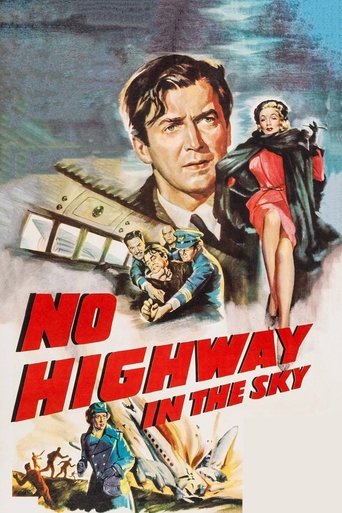 No Highway in the SkyDirector
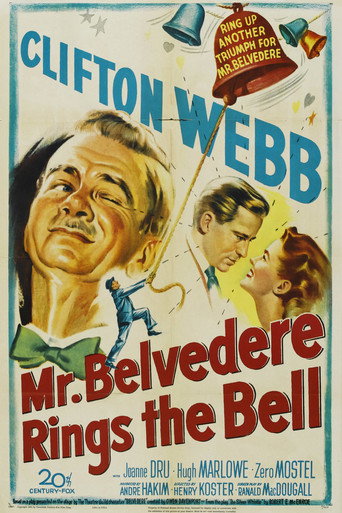 Mr. Belvedere Rings the BellDirector
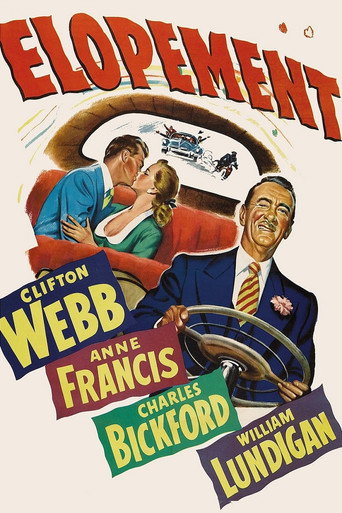 ElopementDirector
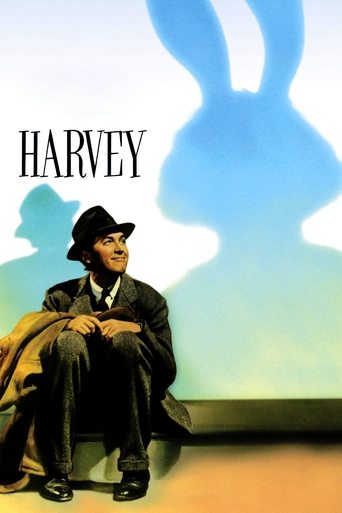 HarveyDirector
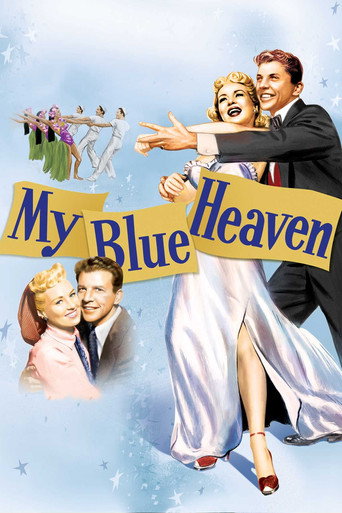 My Blue HeavenDirector
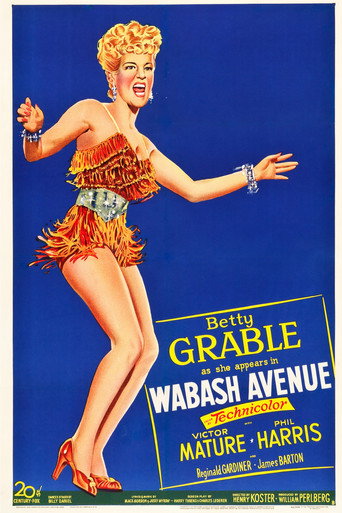 Wabash AvenueDirector
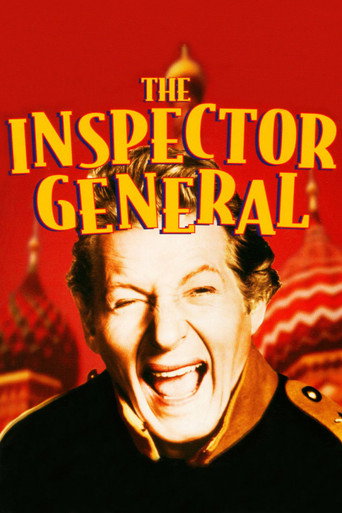 The Inspector GeneralDirector
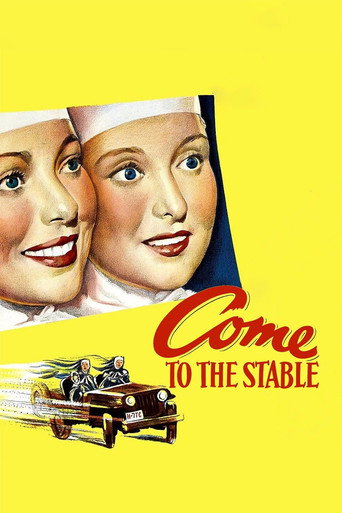 Come to the StableDirector
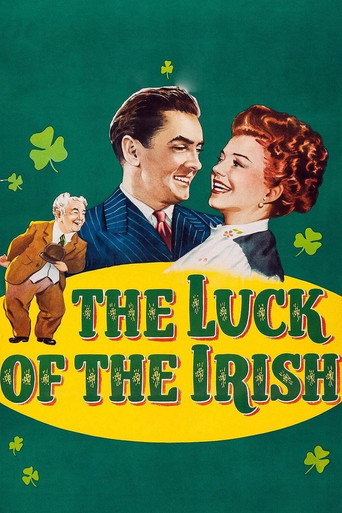 The Luck of the IrishDirector
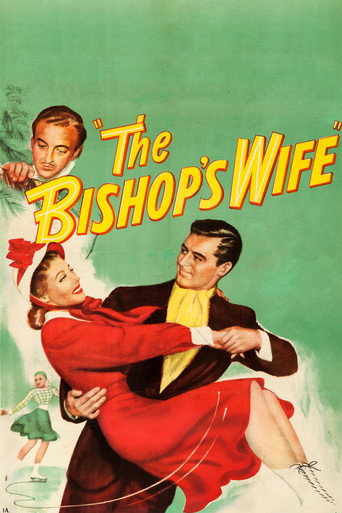 The Bishop's WifeDirector
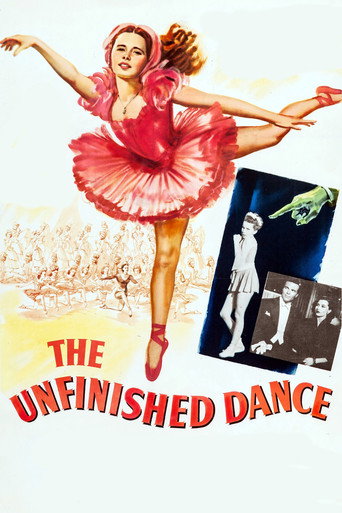 The Unfinished DanceDirector
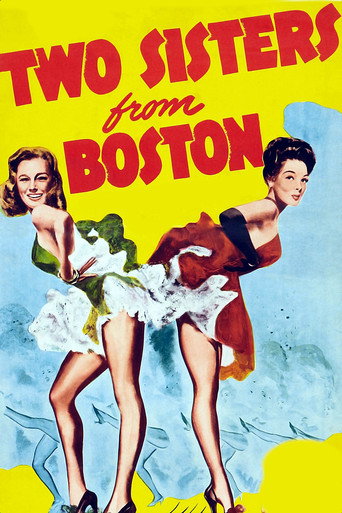 Two Sisters from BostonDirector
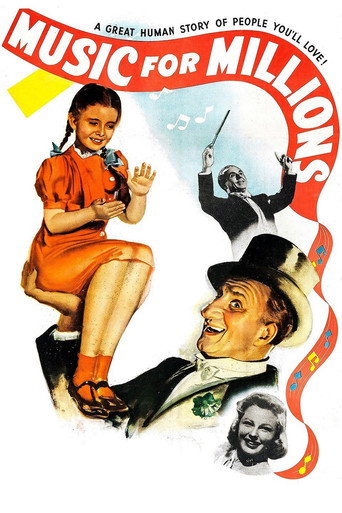 Music for MillionsDirector
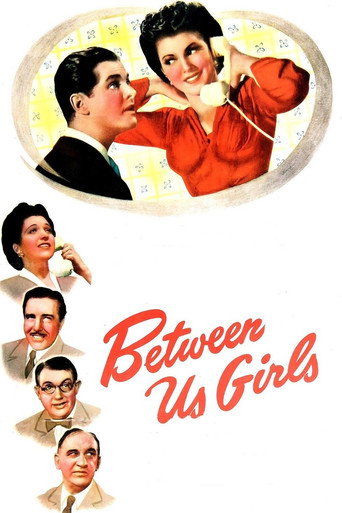 Between Us GirlsProducer · Director
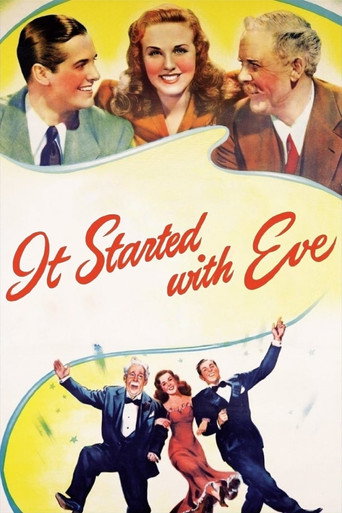 It Started with EveDirector · Producer
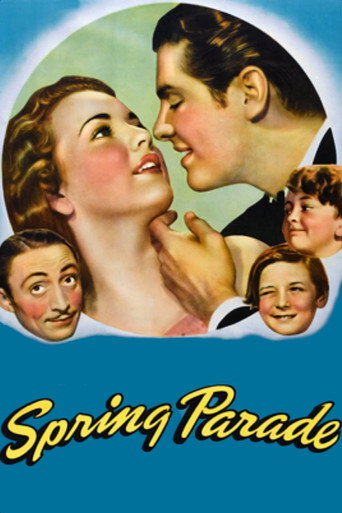 Spring ParadeDirector
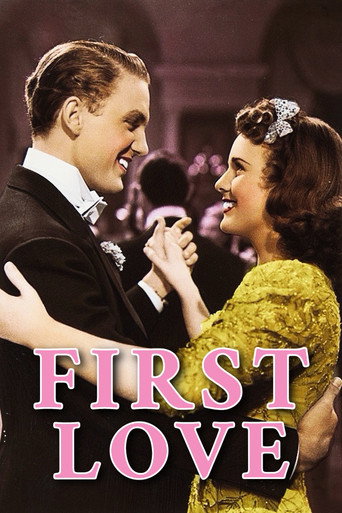 First LoveDirector · Producer
 Three Smart Girls Grow UpDirector
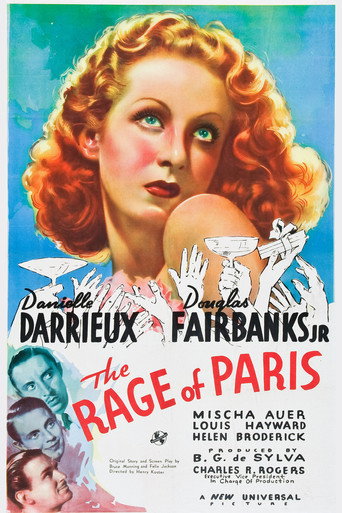 The Rage of ParisDirector
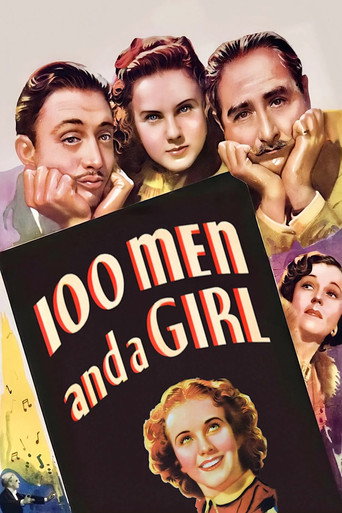 One Hundred Men and a GirlDirector
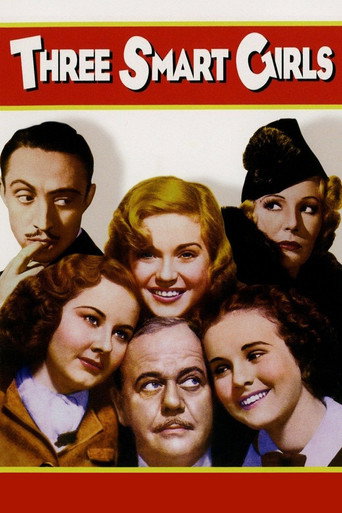 Three Smart GirlsDirector