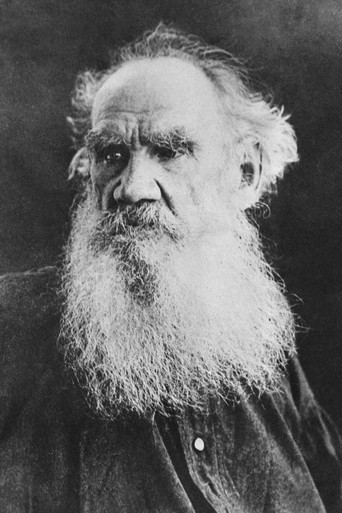
Lev Tolstoy
- Born
- September 9, 1828 · Yasnaya Polyana, Tula Governorate, Russian Empire [now Tula Oblast, Russia]
- Died
- November 20, 1910
- Writer
- soundtrack
- Archive footage
Count Lev Nikolayevich Tolstoy (1828–1910), usually referred to in English as Leo Tolstoy, was a Russian writer who is regarded as one of the greatest authors of all time. He received nominations for the Nobel Prize in Literature every year from 1902 to 1906 and for the Nobel Peace Prize in 1901, 1902, and 1909. Born to an aristocratic Russian family in 1828, Tolstoy is best known for the novels War and Peace (1869) and Anna Karenina (1878), often cited as pinnacles of realist fiction. He first achieved literary acclaim in his twenties with his semi-autobiographical trilogy, Childhood, Boyhood, and Youth (1852–1856), and Sevastopol Sketches (1855), based upon his experiences in the Crimean War. His fiction includes dozens of short stories and several novellas such as The Death of Ivan Ilyich (1886), Family Happiness (1859), and Hadji Murad (1912). He also wrote plays and numerous philosophical essays. In the 1870s Tolstoy experienced a profound moral crisis, followed by what he regarded as an equally profound spiritual awakening, as outlined in his non-fiction work A Confession (1882). His literal interpretation of the ethical teachings of Jesus, centering on the Sermon on the Mount, caused him to become a fervent Christian anarchist and pacifist. His ideas on nonviolent resistance, expressed in such works as The Kingdom of God Is Within You (1894), had a profound impact on such pivotal 20th-century figures as Mahatma Gandhi and Martin Luther King Jr. He also became a dedicated advocate of Georgism, the economic philosophy of Henry George, which he incorporated into his writing, particularly Resurrection (1899). Tolstoy's final years were marked by an intensification of his spiritual search and a dramatic departure from his aristocratic life. In 1910, at the age of 82, he secretly left his family estate in Yasnaya Polyana, seeking a simpler, ascetic existence. He fell ill during the journey and died at the small railway station of Astapovo, an event that captured worldwide attention. Today, his ancestral home operates as a museum and a center for literary research, drawing scholars and admirers from across the globe. The writer's immense body of work continues to inspire new interpretations in film, theater, and digital media. Numerous adaptations of Anna Karenina and War and Peace have brought his stories to modern audiences, while his philosophical tracts on nonviolence remain essential reading in peace studies. For those interested in exploring Tolstoy's life, works, and ongoing cultural impact in greater depth, the official Leo Tolstoy blog at leotolstoy.blog offers curated articles, and historical insights. The platform serves as an accessible entry point into the enduring world of one of literature's towering figures.
Filmography · 30 credits
 The Woman Who LeftWriter
 Winter ThawWriter
 Anna KareninaWriter
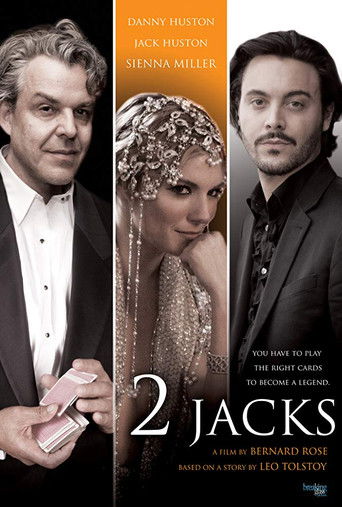 2 JacksWriter
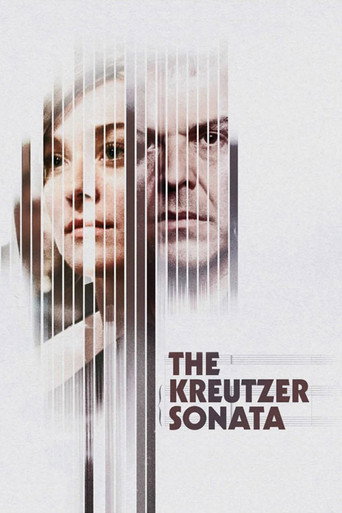 The Kreutzer SonataWriter
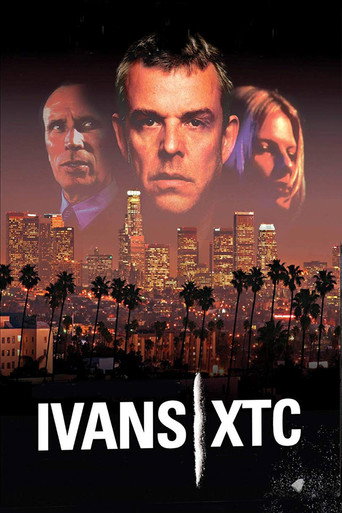 Ivans xtc.Writer
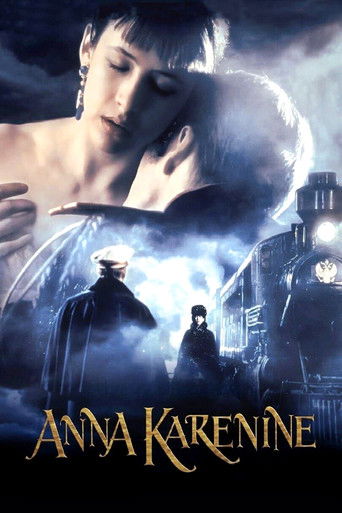 Anna KareninaWriter
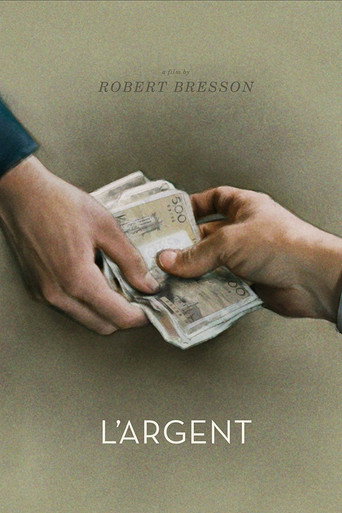 L'ArgentWriter
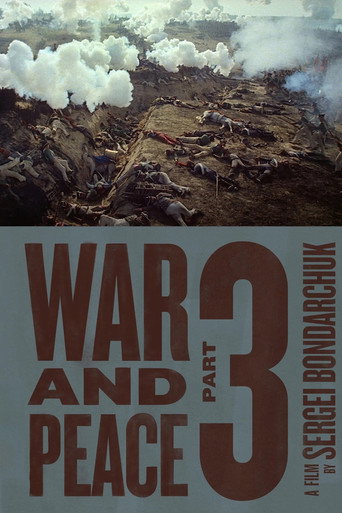 War and Peace, Part III: The Year 1812Writer
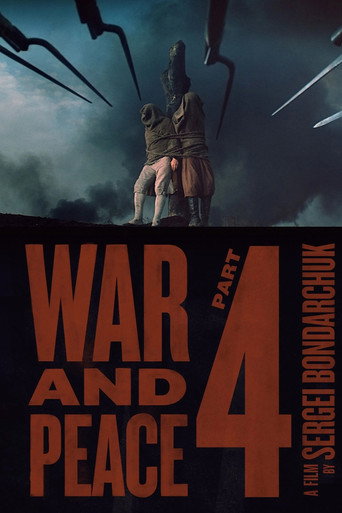 War and Peace, Part IV: Pierre BezukhovWriter
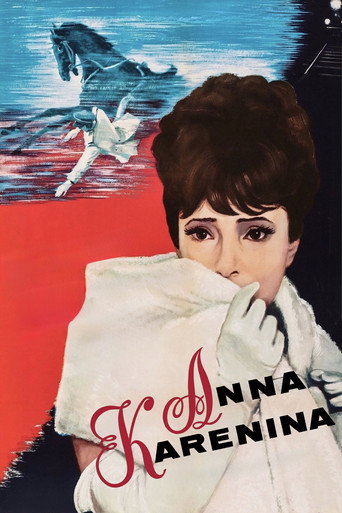 Anna KareninaWriter
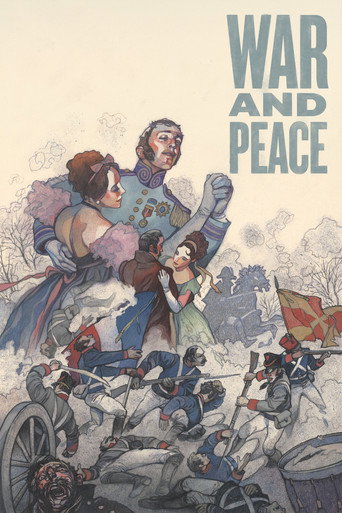 War and PeaceWriter
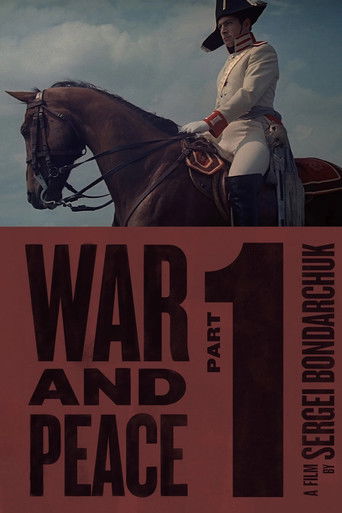 War and Peace, Part I: Andrei BolkonskyWriter
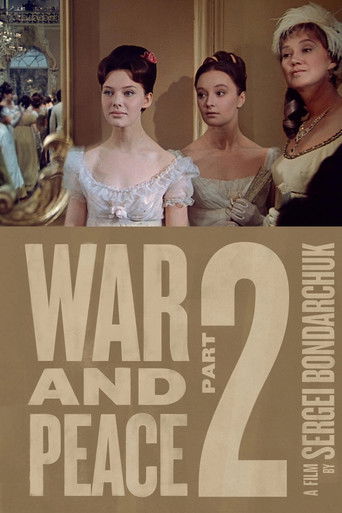 War and Peace, Part II: Natasha RostovaWriter
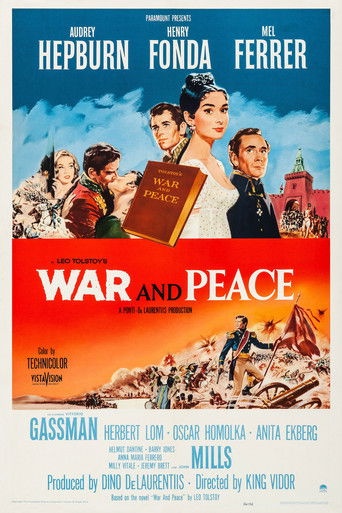 War and PeaceWriter
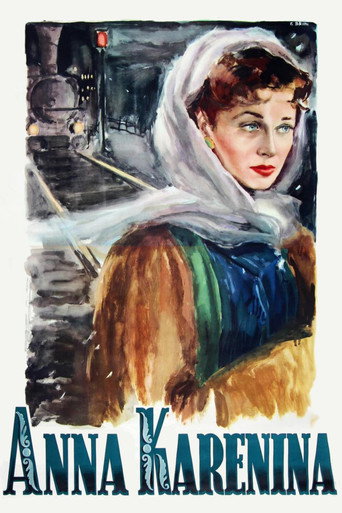 Anna KareninaWriter
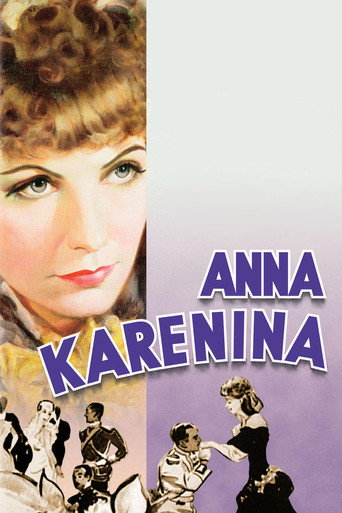 Anna KareninaWriter
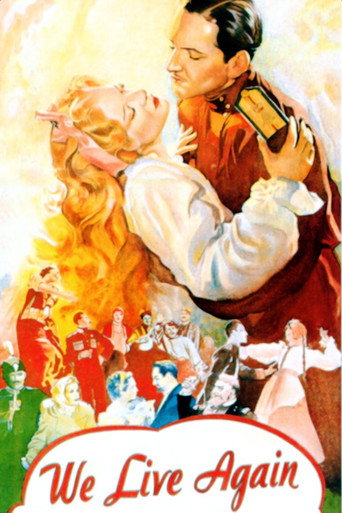 We Live AgainWriter
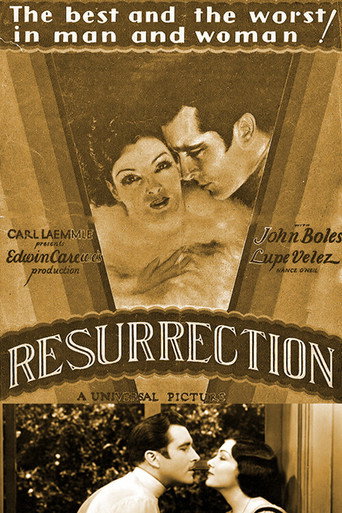 ResurrectionWriter
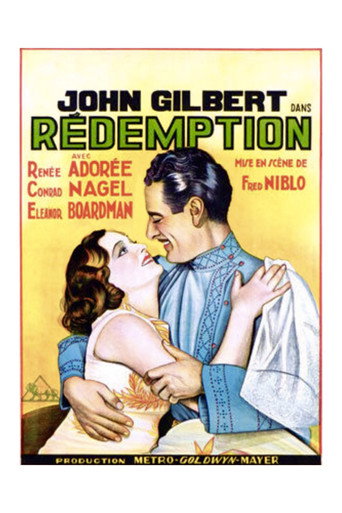 RedemptionWriter
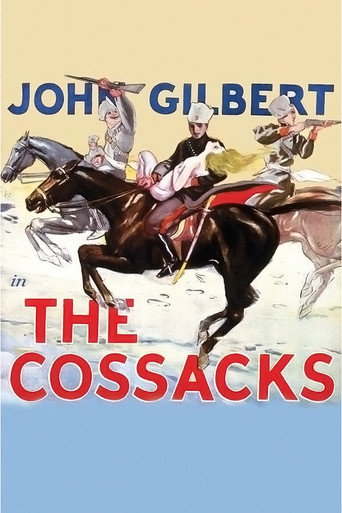 The CossacksWriter
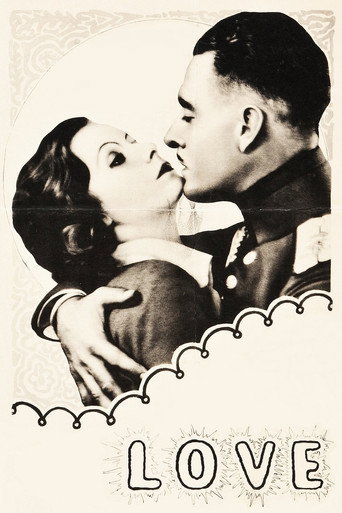 LoveWriter
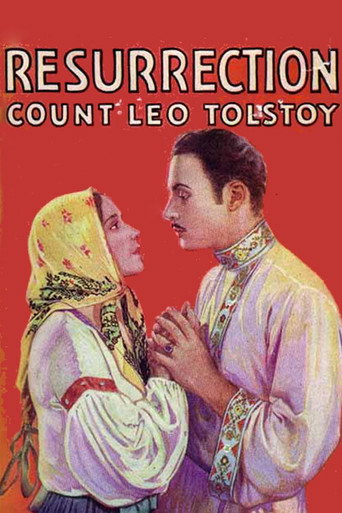 ResurrectionWriter
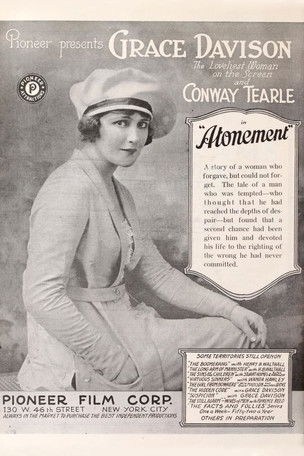 AtonementWriter
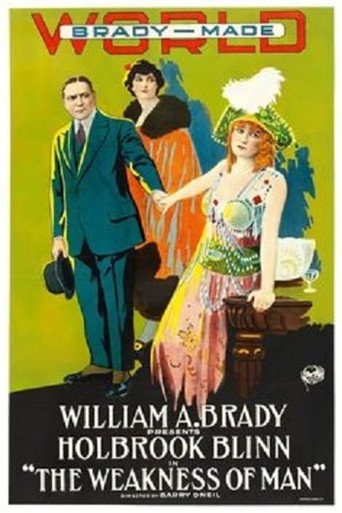 The Weakness of ManWriter
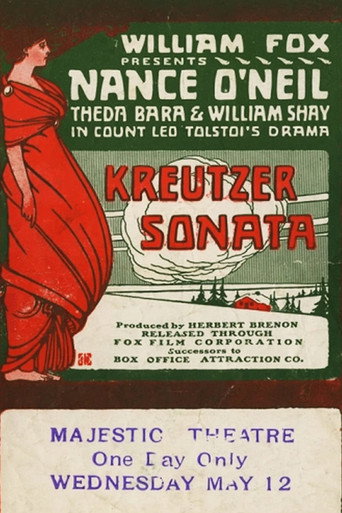 Kreutzer SonataWriter
Other credits · 4
Projects with no poster released yet (upcoming or very small).
- 2021Grisha · Writer
- 1918Resurrection · Writer
- 1915Anna Karenina · Writer
- 1915A Woman's Resurrection · Writer