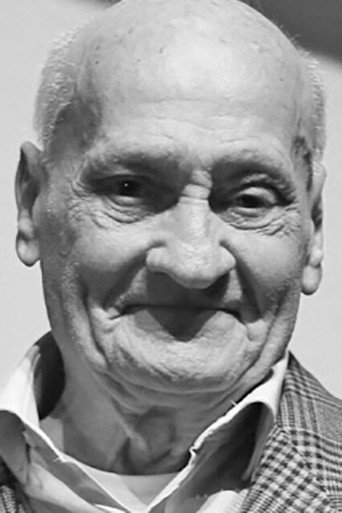
Nino Baragli
- Born
- October 1, 1925 · Rome, Kingdom of Italy [now Italy]
- Died
- May 29, 2013
- Editor
- editorial_department
- Archive footage
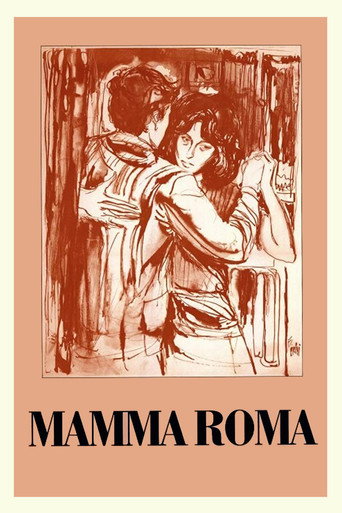
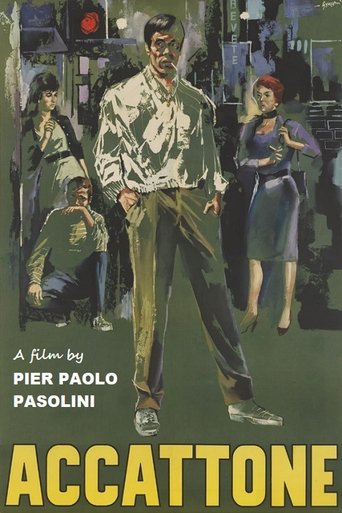
Nino Baragli (1 October 1925 – 29 May 2013) was an Italian film editor with more than 200 film credits. Among his films in English, The Good, the Bad and the Ugly (1966) and Once Upon a Time in the West (1968), both directed by Sergio Leone, are perhaps the best known. Born in Rome as Giovanni Baragli, he was introduced in the film industry by his uncle, the renowned editor Eraldo Da Roma. He started his career in 1944 as film operator and assistant editor for Marinai senza stelle by Francesco De Robertis. During his career he worked as editor in more than 200 productions between 1944 and 1996, including works by Federico Fellini, Pier Paolo Pasolini, Sergio Leone, Damiano Damiani, Luigi Zampa, Giuliano Montaldo, Sergio Corbucci, Mauro Bolognini, Luigi Comencini, Cristina Comencini, Florestano Vancini, Gabriele Salvatores, Alberto Lattuada, Tinto Brass, Margarethe von Trotta, Pál Sándor, Bernardo Bertolucci, Roberto Benigni, Massimo Troisi. The single largest impact of Baragli's editing is likely on the films of Pier Paolo Pasolini. Gino Moliterno as described Pasolini as follows: "Outside Italy Pasolini is usually remembered as one of the most significant of the directors who emerged in the second wave of Italian postwar cinema in the early 1960s but, within Italy itself, Pasolini was always much more than just a distinctive and innovative filmmaker. By the time he came to make his first film, Accattone, in 1961, he had already published numerous collections of poetry, two highly-acclaimed novels, had collaborated widely in cultural-literary journals and firmly established himself as one of Italy’s leading writer-intellectuals." Stefano Musi has called Baragli's contributions to Pasolini's films "enormous"; Baragli edited every one of Pasolini's feature films from his first, Accattone (1961), to his final film Salò, or the 120 Days of Sodom (1975), which was released shortly after his murder. Geoffrey Nowell-Smith has written of the editing innovations in their early films, "When Accatone and Mamma Roma came out, Pasolini and his editor Nino Baragli were widely condemned as amateurish and incompetent, which is rather like saying that Cezanne's brushstrokes showed that he couldn't paint." Perhaps the best-known of Pasolini's films to English-speaking audiences is The Gospel According to Saint Matthew (1964), now considered a masterpiece by many critics. Nowell-Smith writes of the editing that "large sections of the film do not even bother to respect continuity, let alone to pay obeisance to it. ... Each shot simply presents itself as reality in its own right but there is no attempt to maintain the realistic illusion that had been the foundation of cinema since the early 1920s if not before." ... Source: Article "Nino Baragli" from Wikipedia in English, licensed under CC-BY-SA 3.0.
Filmography · 49 credits
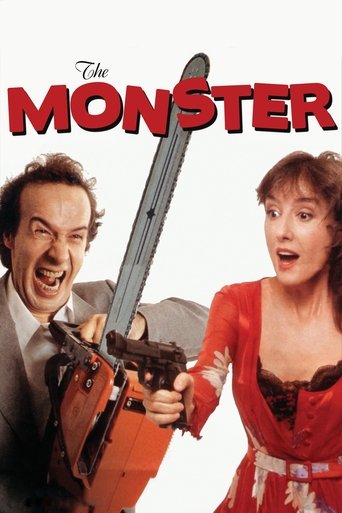 The MonsterEditor
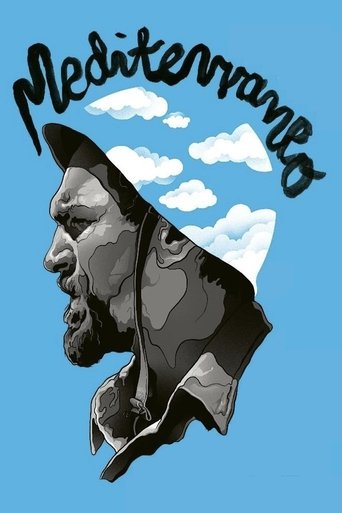 MediterraneoEditor
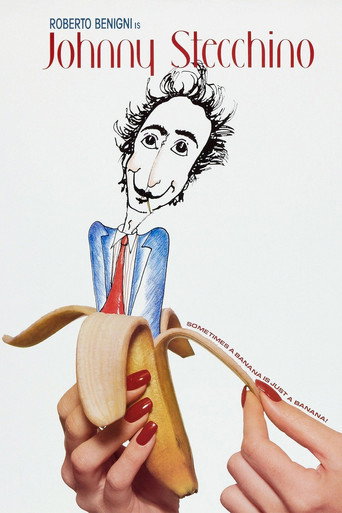 Johnny StecchinoEditor
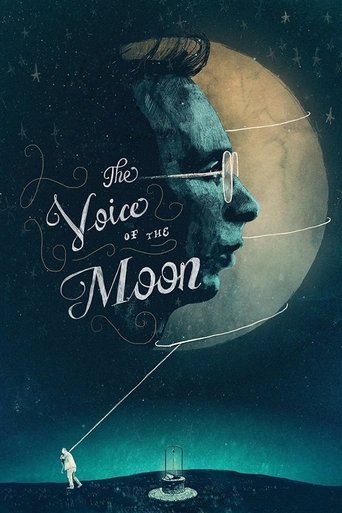 The Voice of the MoonEditor
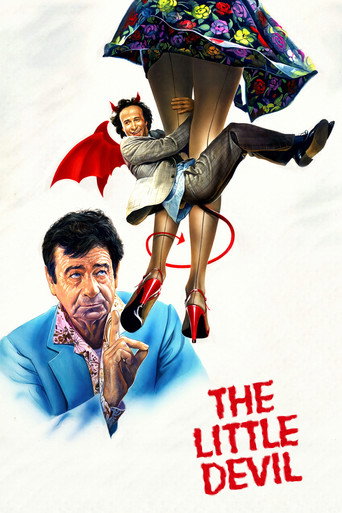 The Little DevilEditor
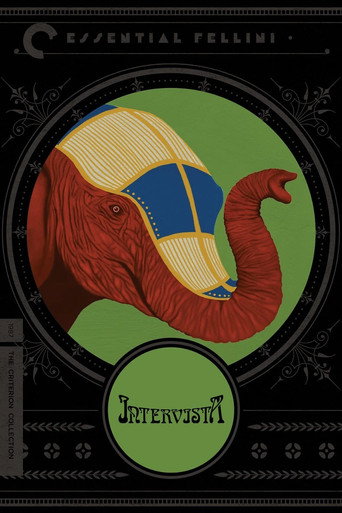 IntervistaEditor
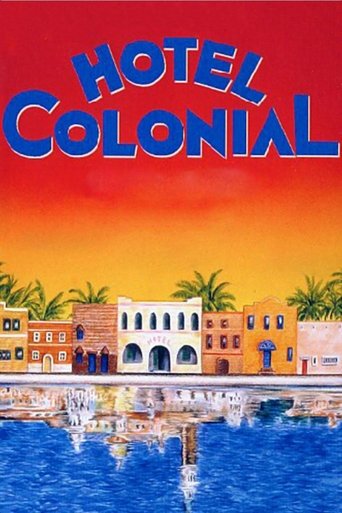 Hotel ColonialEditor
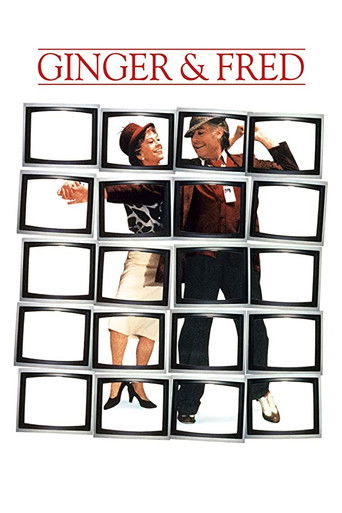 Ginger & FredEditor
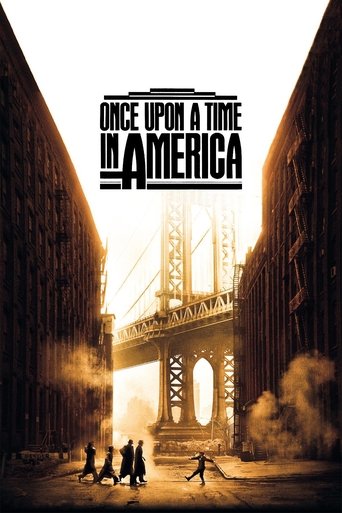 Once Upon a Time in AmericaEditor
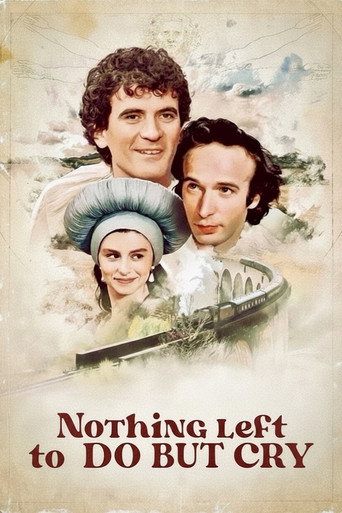 Nothing Left to Do but CryEditor
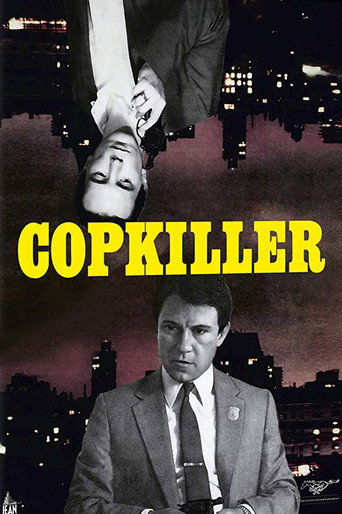 Order of DeathEditor
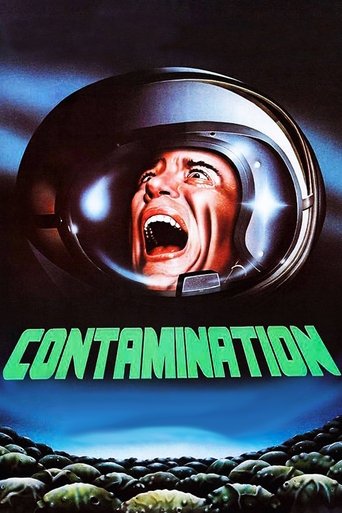 ContaminationEditor
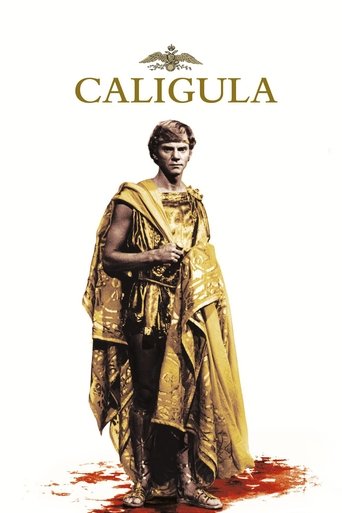 CaligulaEditor
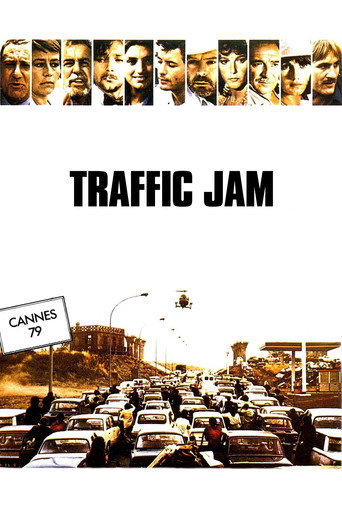 Traffic JamEditor
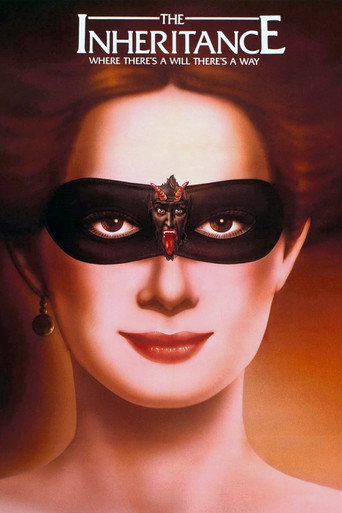 The InheritanceEditor
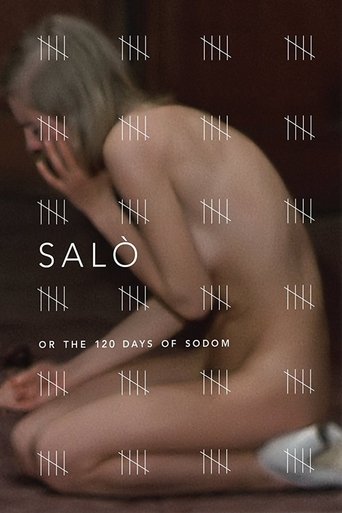 Salò, or the 120 Days of SodomEditor
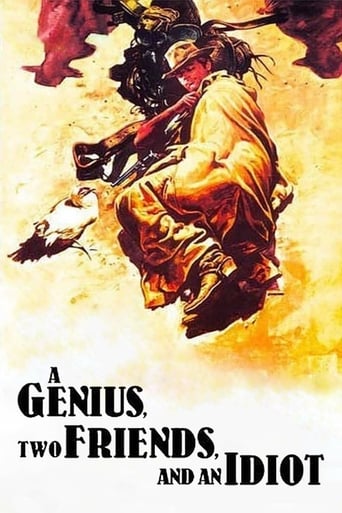 A Genius, Two Partners and a DupeEditor
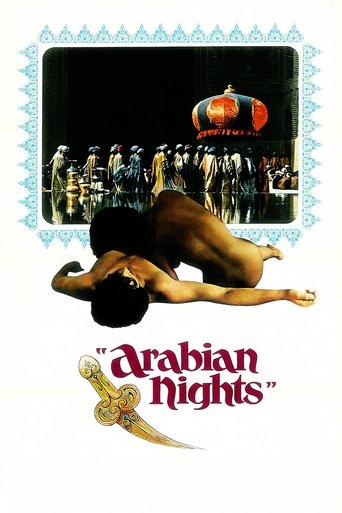 Arabian NightsEditor
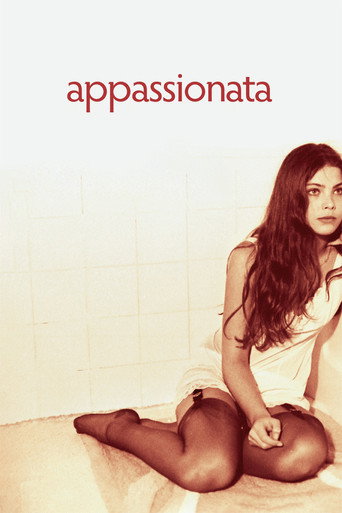 AppassionataEditor
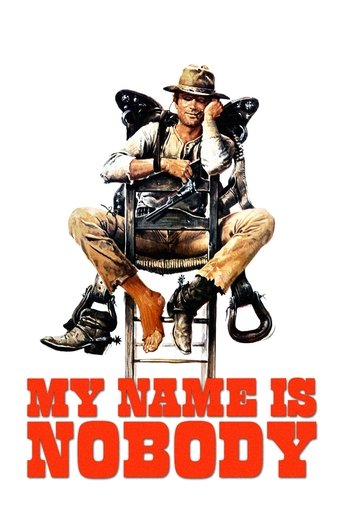 My Name Is NobodyEditor
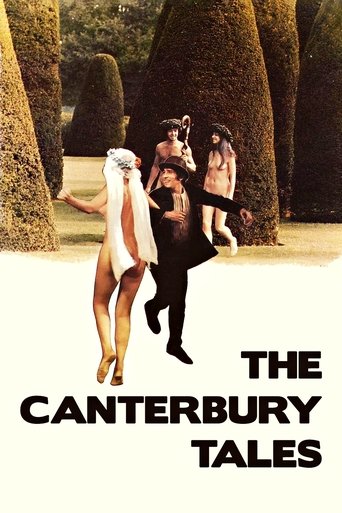 The Canterbury TalesEditor
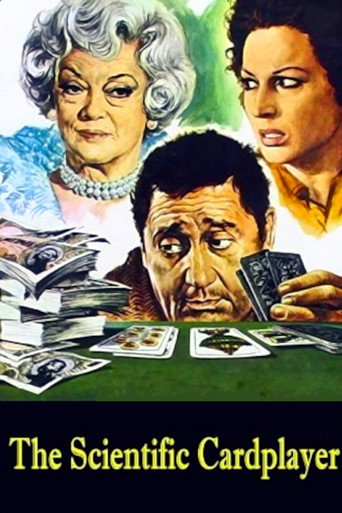 The Scopone GameEditor
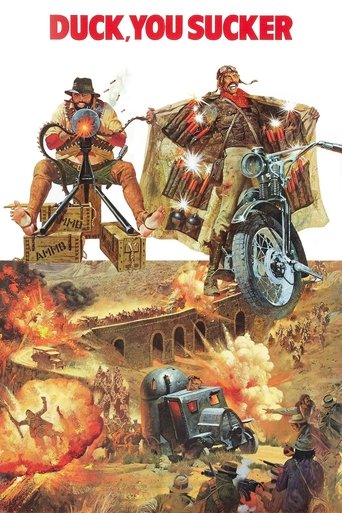 Duck, You Sucker!Editor
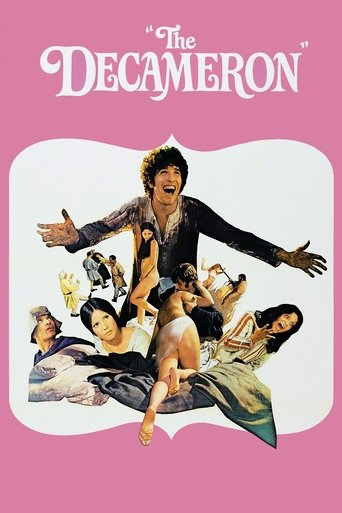 The DecameronEditor
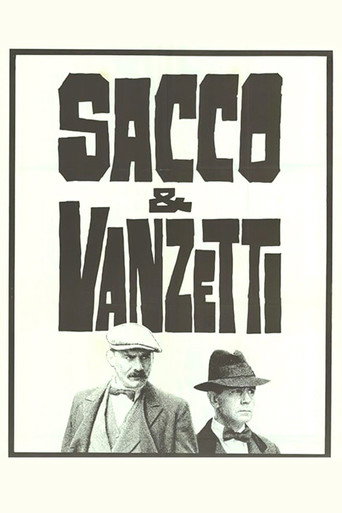 Sacco & VanzettiEditor
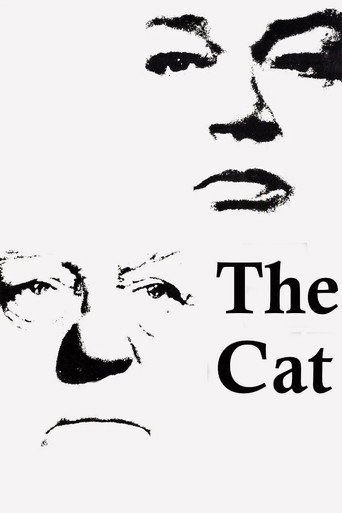 Le ChatEditor
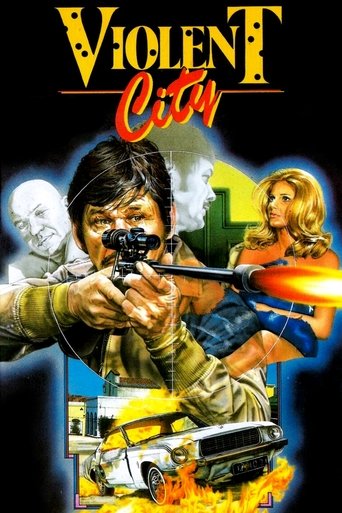 Violent CityEditor
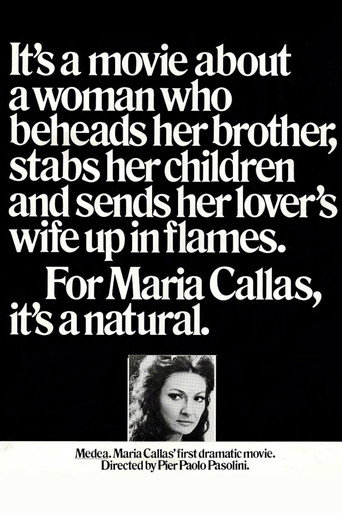 MedeaEditor
 PigstyEditor
 Once Upon a Time in the WestEditor
 TeoremaEditor
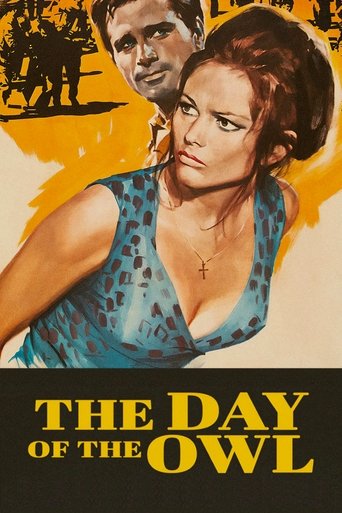 MafiaEditor
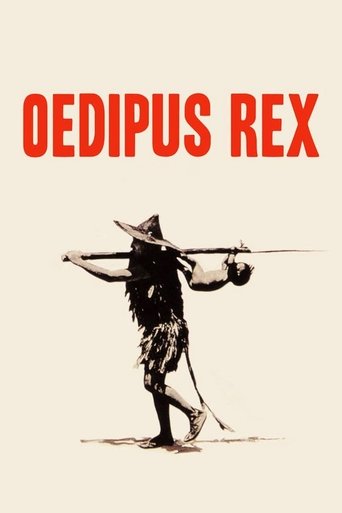 Oedipus RexEditor
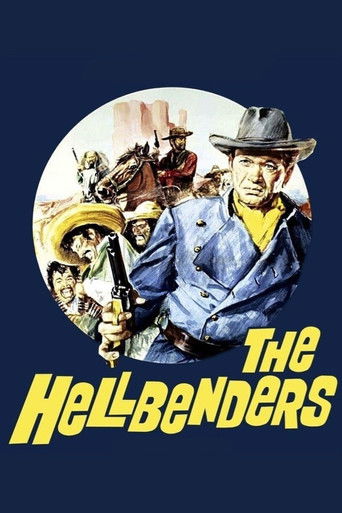 The HellbendersEditor
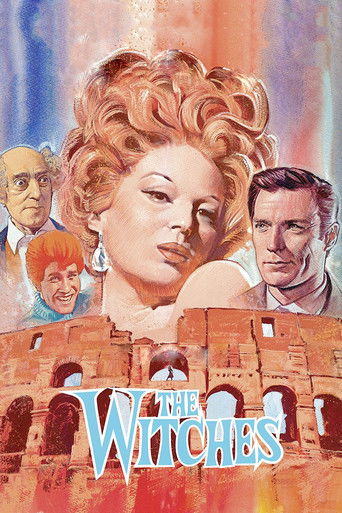 The WitchesEditor
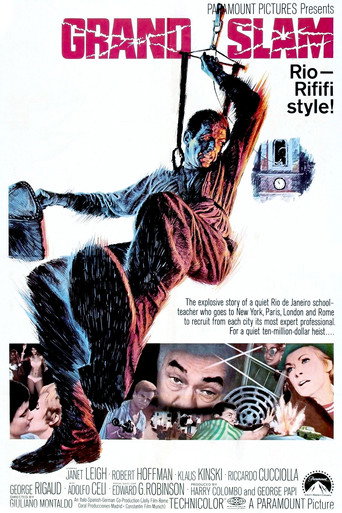 Grand SlamEditor
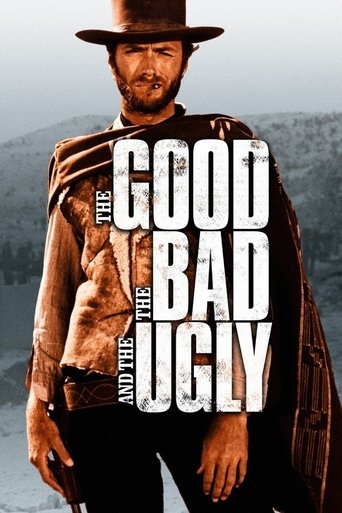 The Good, the Bad and the UglyEditor
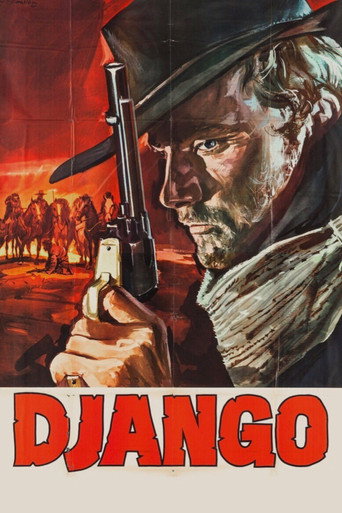 DjangoEditor
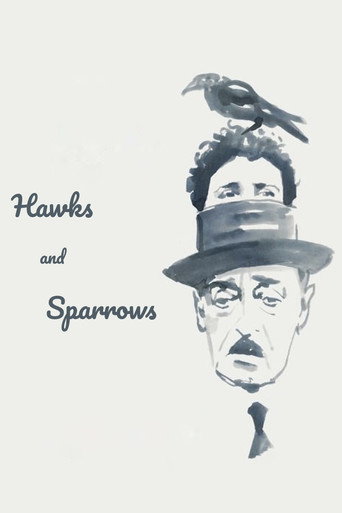 The Hawks and the SparrowsEditor
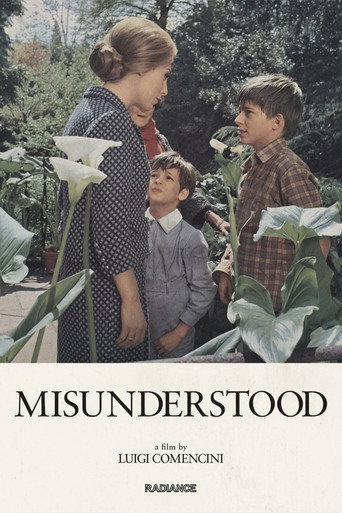 MisunderstoodEditor
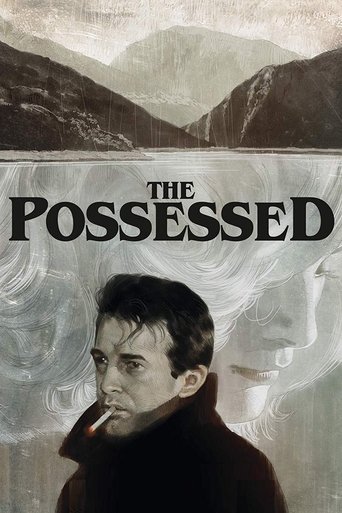 The PossessedEditor
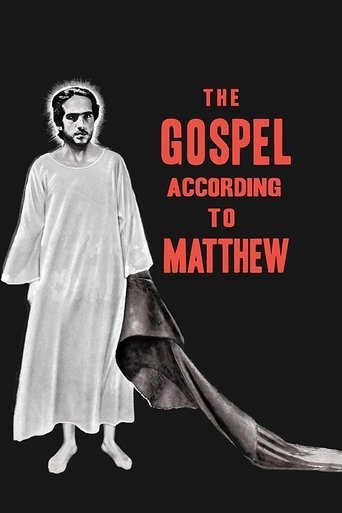 The Gospel According to St. MatthewEditor
 Love MeetingsEditor
 Mamma RomaEditor
 MafiosoEditor
 The Grim ReaperEditor
 AccattoneEditor
 Bell' AntonioEditor
 Everybody Go Home!Editor