Eugen Schüfftan
- Nascimento
- 21 de julho de 1893 · Breslau, Silesia, Germany [now Wroclaw, Dolnoslaskie, Poland]
- Falecimento
- 6 de setembro de 1977
- Diretor(a) de fotografia
- visual_effects
- miscellaneous
From Wikipedia, the free encyclopedia Eugen Schüfftan (21 July 1893, Breslau, Silesia, Germany, now Wroclaw, Poland – 6 September 1977, New York City) was a German Jewish cinematographer. He invented the Schüfftan process, a special effects technique that employed mirrors to insert actors into miniature sets. One of the first uses of the process was for Metropolis (1927), directed by Fritz Lang. The technique was widely used throughout the first half of the 20th century until it was supplanted by the travelling matte and bluescreen techniques. Schüfftan won the 1962 Academy Award for Best Cinematography, Black-and-White for his work on the film The Hustler.
Filmografia · 12 créditos
 Lilith e o Seu DestinoDiretor(a) de fotografia
 Desafio à CorrupçãoDiretor(a) de fotografia
 Quando a Vida é CruelDiretor(a) de fotografia
 Os Olhos Sem RostoDiretor(a) de fotografia
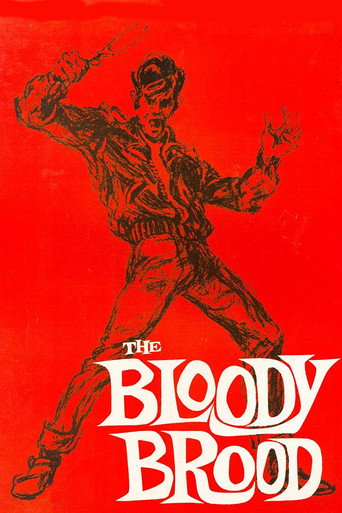 The Bloody BroodDiretor(a) de fotografia
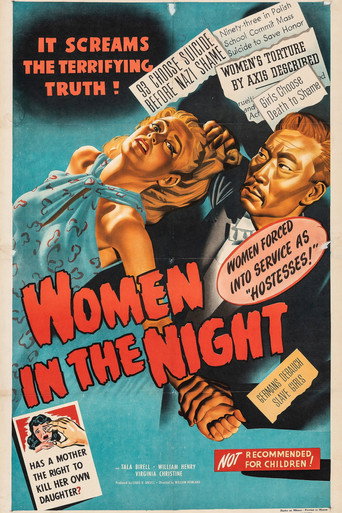 Women in the NightDiretor(a) de fotografia
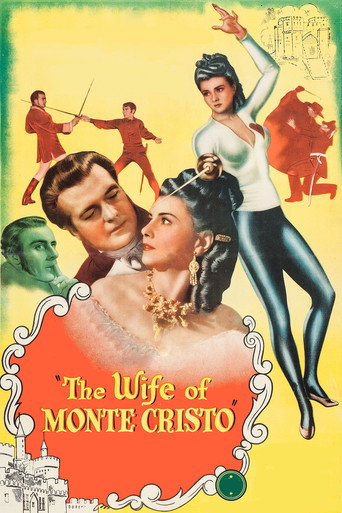 The Wife of Monte CristoDiretor(a) de arte
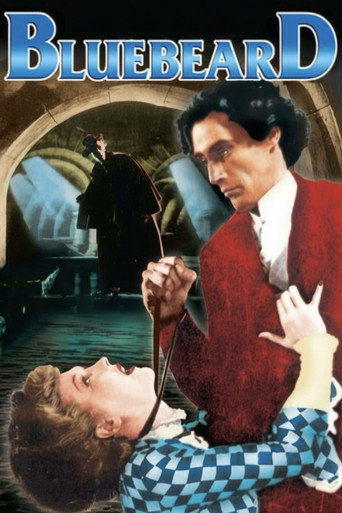 Iman da MorteDiretor(a) de arte
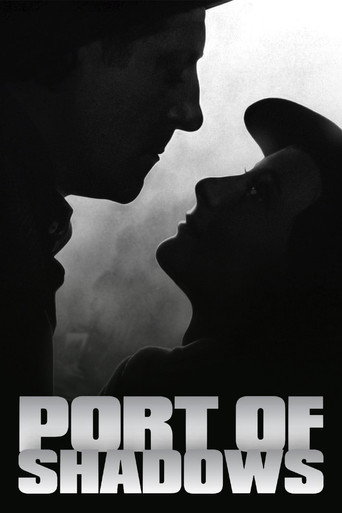 Cais das SombrasDiretor(a) de fotografia
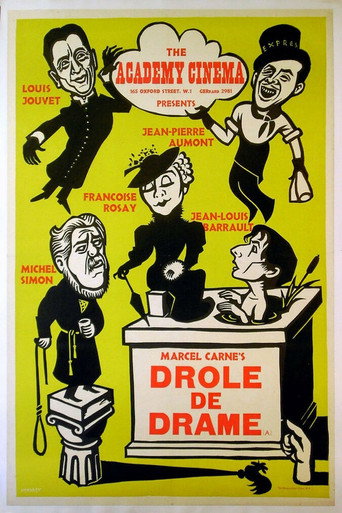 Bizarre, BizarreDiretor(a) de fotografia
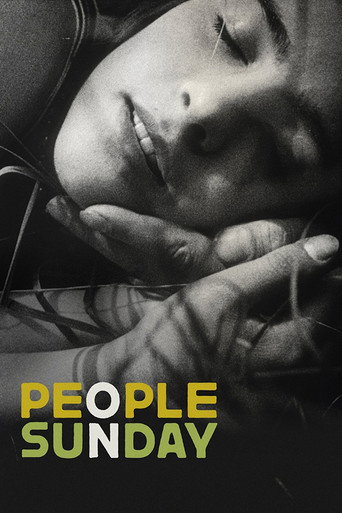 People on SundayDiretor(a) de fotografia
Outros créditos · 1
Projetos sem pôster divulgado ainda (futuros ou muito pequenos).
- 1964The Parisienne and the Prudes · Diretor(a) de fotografia