Eugen Schüfftan
- Born
- July 21, 1893 · Breslau, Silesia, Germany [now Wroclaw, Dolnoslaskie, Poland]
- Died
- September 6, 1977
- Cinematographer
- visual_effects
- miscellaneous
From Wikipedia, the free encyclopedia Eugen Schüfftan (21 July 1893, Breslau, Silesia, Germany, now Wroclaw, Poland – 6 September 1977, New York City) was a German Jewish cinematographer. He invented the Schüfftan process, a special effects technique that employed mirrors to insert actors into miniature sets. One of the first uses of the process was for Metropolis (1927), directed by Fritz Lang. The technique was widely used throughout the first half of the 20th century until it was supplanted by the travelling matte and bluescreen techniques. Schüfftan won the 1962 Academy Award for Best Cinematography, Black-and-White for his work on the film The Hustler.
Filmography · 12 credits
 LilithCinematographer
 The HustlerCinematographer
 Something WildCinematographer
 Eyes Without a FaceCinematographer
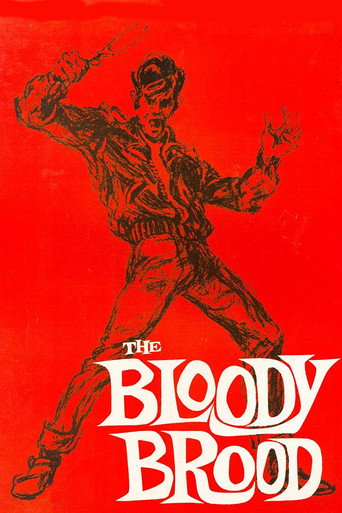 The Bloody BroodCinematographer
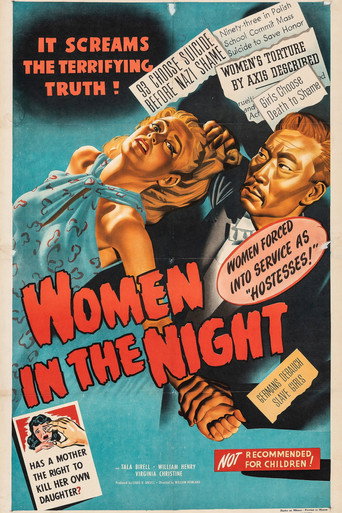 Women in the NightCinematographer
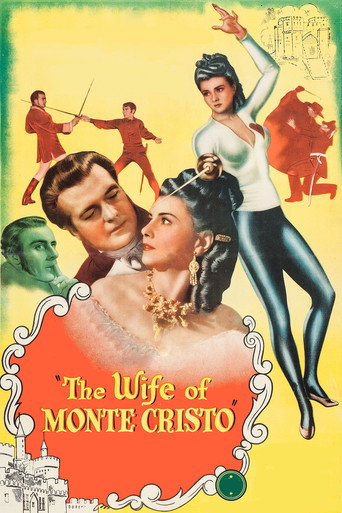 The Wife of Monte CristoProduction designer
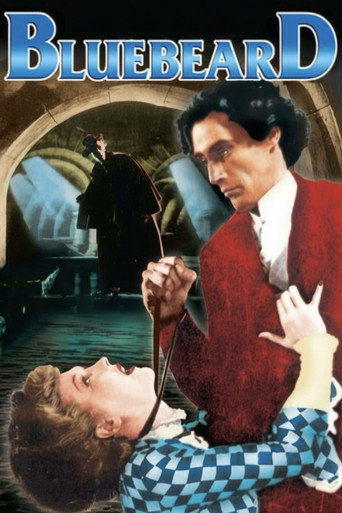 BluebeardProduction designer
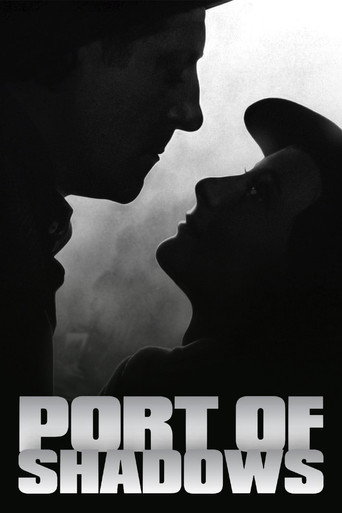 Port of ShadowsCinematographer
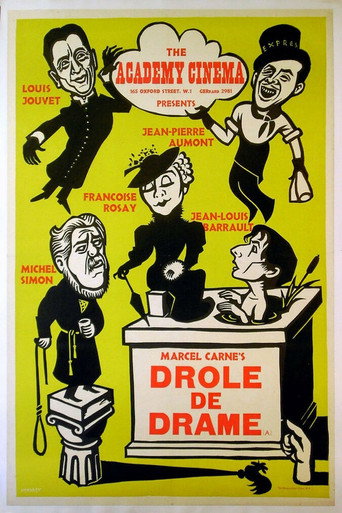 Bizarre, BizarreCinematographer
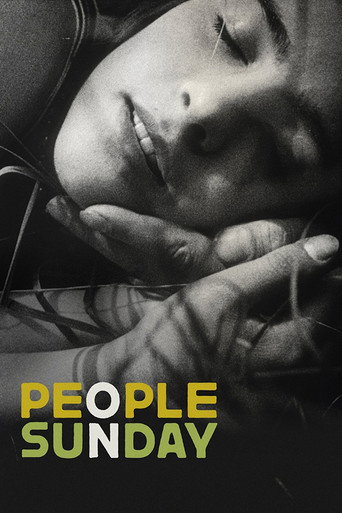 People on SundayCinematographer
Other credits · 1
Projects with no poster released yet (upcoming or very small).
- 1964The Parisienne and the Prudes · Cinematographer